A few years ago, logos helped brands stand apart. Now, after endless trend-chasing, half the companies online look like they share the same designer, font pack, and personality crisis.
So, is your logo following trends or chasing them?
One minute, your logo looks fresh and modern. Six months later, it looks suspiciously similar to twelve tech startups, three skincare brands, and a cryptocurrency app nobody trusts anymore.
Brands love trends because they feel safe. If everyone is simplifying their logo, flattening their colors, or switching to the same clean sans-serif font, it starts to feel like the right move. The problem is that trends move fast, and logos are supposed to last. Somewhere along the way, many brands stopped trying to look different and started trying to look current. That is why so many logos today feel strangely familiar, even when they belong to completely different industries.
From overused gradients to painfully generic typography, the internet is full of logos that look polished but forgettable. In this blog, we are calling out the biggest logo trends brands seriously need to retire before every business starts looking like the same app icon.
1. The “Everything Must Be Minimal” Epidemic
Minimalism started as a smart design choice. Clean lines, simple forms, and clear typography made logos feel modern and easy to recognize. Then it became a rule everyone felt they had to follow. One by one, brands across fashion, beauty, and tech began removing details until there was barely anything left to hold on to. What remained often looked polished but also strangely familiar.
The issue is not simplicity itself. A strong minimal logo can last for years and still feel relevant. The problem shows up when simplicity turns into sameness. Once every brand starts using thin sans-serif fonts, spaced-out lettering, and restrained symbols, identity begins to fade. At that point, design stops helping a brand stand out and starts helping it blend in.
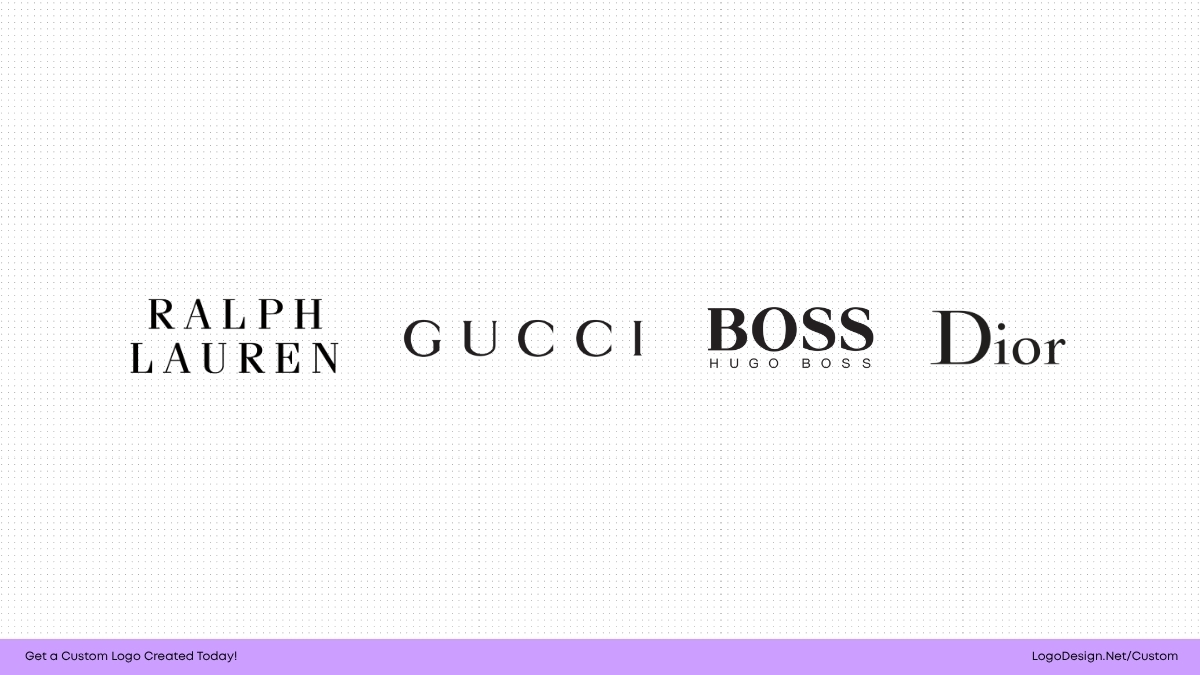
Take a moment and try this. Put the logos of Ralph Lauren, Dior, Hugo Boss, and Gucci side by side in black and white. No color, no context. Just shapes and type. Now ask yourself: how many of them can you actually tell apart in under five seconds? It starts to feel less like branding and more like a “spot the difference” puzzle. And that is exactly where minimalism becomes a problem.
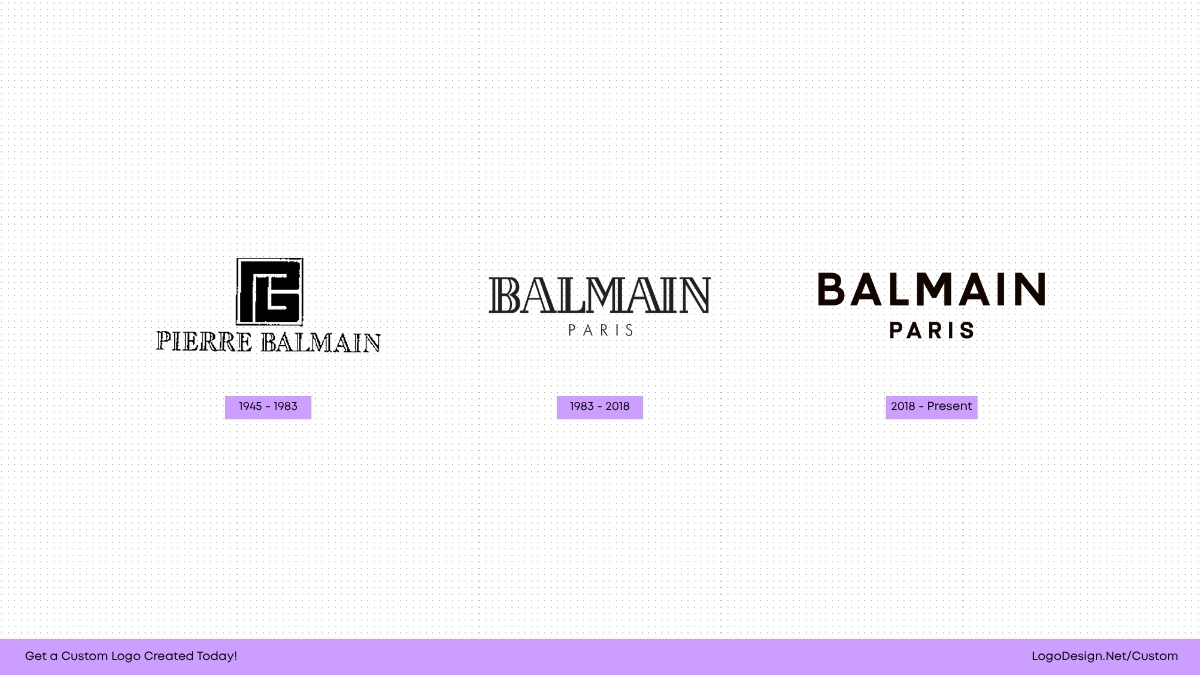
Some of the biggest examples came from luxury and fashion brands that abandoned highly recognizable typography in favor of cleaner, flatter identities. Balmain followed a similar direction, simplifying its branding into a stark black-and-white typographic system that fit perfectly into the growing “minimal luxury” wave.
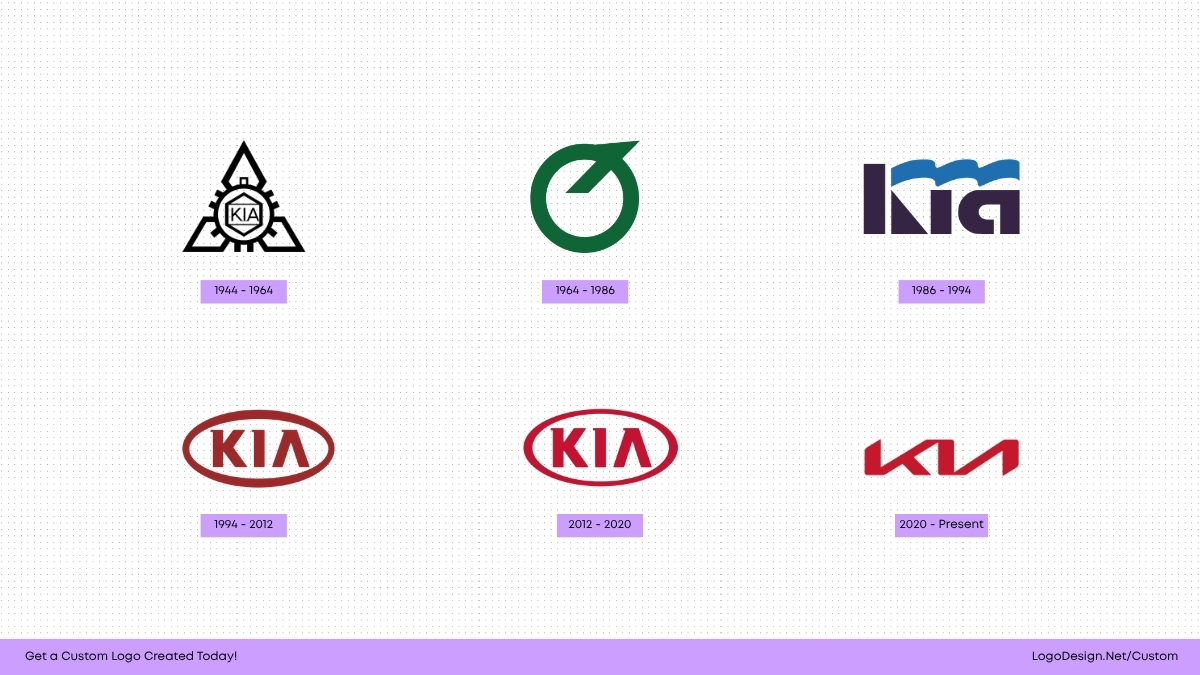
The same thing happened outside fashion, too. In 2021, Kia introduced a dramatically simplified logo with connected lettering and a flatter visual identity. While the redesign aimed to modernize the brand, many people initially struggled to even read the name correctly.
When everything is stripped down to its essentials, brands risk losing the one thing they actually need most: a face people can remember.
2. The Arc Obsession That’s Everywhere
An arc in a logo is not the enemy. In fact, it can be a very effective visual tool when used with intention. It often represents movement, direction, progress, or even growth toward a goal. In the right hands, it adds meaning without saying a word. The issue starts when that same idea gets repeated across industries until it stops feeling meaningful altogether.
If you look closely at modern branding, you will notice how often arcs show up in almost identical ways. A simple curved line placed above or below a wordmark has become a kind of default setting for modern design. Tech companies, logistics brands, fitness apps, and even financial services have leaned into this shape so heavily that it now risks feeling generic rather than thoughtful.
Think of logos like Amazon with its familiar smile-like curve. These work because the arc is tied closely to a strong idea, not just decoration. But the problem is when newer brands borrow the same visual trick without that deeper connection. It stops being a symbol and starts becoming a shortcut.
The better question every designer should ask is simple: Is the arc actually communicating something specific about the brand, or is it just there because it feels safe and familiar? When it is the second option, the logo loses its edge. And in a space where everyone is using the same curve, standing out means finding another way to express the same idea without copying the shape itself.
3. The Thin Line Trap
Thin lines can look elegant at first glance. They give a logo a sense of refinement, lightness, and modern polish. In the right design, they can feel precise and confident. But the problem starts when this style is used without thinking through how a logo actually lives in the real world.
A logo is not just something you see on a large screen in a design file. It has to survive app icons, website headers, packaging, social media avatars, and even small print. When lines get too thin, they begin to disappear in smaller sizes or lose clarity on lower-quality displays. What looked sleek in a presentation suddenly turns faint and unclear in practice.
A good example is Isometric, whose logo and branding rely heavily on ultra-thin outlined typography and delicate line structures. While the aesthetic feels clean and sophisticated on large digital layouts, it also reflects the wider minimalist trend where thin strokes can begin losing clarity in smaller applications or lower-resolution environments.
Another example is Valentino, particularly in several of its luxury campaign executions and minimalist branding applications, where thin typography is used to create an elegant high-fashion feel. While visually refined, this ultra-light approach also reflects the wider trend of fashion brands leaning toward delicate typography that can sometimes sacrifice visibility and impact at smaller sizes.
ArchDaily also uses a highly minimal wordmark with delicate spacing and slim letterforms that match the platform’s clean architectural aesthetic. The design works well in spacious digital layouts, though it also highlights how lightweight typography depends heavily on perfect viewing conditions to maintain clarity and presence.
Besides, many modern brands have leaned into this aesthetic. These work because the logos are built with scalability and consistency in mind, not just visual appeal on a large canvas. The issue is when newer brands copy the same “thin and light” approach without considering how it performs across different contexts.
Good logo design is not only about how something looks but also about how well it withstands changes in size, format, and environment. If a logo loses its strength the moment it is scaled down, then the design has not really solved the problem it was supposed to solve.
4. The Graph-Inspired Corporate Logo Formula
At some point, businesses decided the fastest way to say “we are successful” was to literally draw success into the logo. Upward graphs, rising bars, climbing arrows, and chart-like symbols began appearing everywhere, especially in logos for finance, consulting, tech, and real estate. The message was obvious: growth, progress, profit. The problem is that everybody had the exact same idea.
One of the most widely recognized examples comes from Google Analytics. Its logo uses a simple bar-chart form, with three vertical bars arranged in a rising sequence. The design immediately signals data tracking, performance, and upward movement. It is a clean visual shorthand for growth through numbers rather than words.
Microsoft Power BI follows a similar logic. Its icon is built around stacked vertical bars that resemble a growing chart. The structure feels intentional, as if it is mapping progress step by step. In the context of business intelligence, it reinforces the idea of scaling insight and performance over time.
Nasdaq offers a strong real-world version of the same idea. Its logo uses a set of vertical, waveform-like bars that resemble a fluctuating market chart. The visual language is closely tied to trading activity and financial movement, making growth and volatility feel like part of the brand identity itself.
These logos work because the upward shapes are not random decoration. They are tied to real systems like data, markets, and performance tracking, which gives the visual language a clear purpose inside those specific contexts.;
The issue with graph-inspired logos is that they are painfully predictable. When every second corporate brand uses an upward angle or rising chart shape, the design stops communicating confidence and starts feeling lazy. Instead of creating a memorable identity, it ends up looking like a 2009 PowerPoint presentation.
This trend became especially common among investment companies and business consultancies, many of which used nearly identical bar-chart symbols with slight tweaks in color or typography. The logos technically communicated growth, but they rarely communicated anything about the actual brand behind them.
5. The Dependence on Helvetica
Helvetica has a way of slipping into branding almost by default. It feels neutral, efficient, and professionally correct, which is why so many logos rely on it or typefaces that sit very close to it. In small doses, it works well. The problem begins when it becomes the entire identity, leaving the brand with nothing beyond a name set in a familiar corporate type.
A logo should not depend entirely on a font choice to feel complete. Typography is meant to support meaning, not replace it. When Helvetica carries the full weight of identity, the result often feels interchangeable, especially across industries where many companies make similar choices.
Before many brands developed custom type systems, Helvetica or Helvetica-like wordmarks were used as the main visual identity. Over time, several of them shifted away from it to create more distinctive and ownable typography.
American Airlines used a Helvetica-based wordmark for decades, where the logo was essentially pure typography with minimal visual structure. This remained in place until 2013, when the company introduced a redesigned identity featuring a custom sans-serif wordmark and a separate abstract eagle mark, moving away from Helvetica’s neutrality toward a more distinctive system.
Lufthansa relied heavily on Helvetica-style typography for decades as part of its clean, Swiss-influenced corporate identity system. The airline’s branding became known for its restrained, highly functional look, but over time, the company refined and customized its typography to create a more distinctive and digitally adaptable visual identity. The shift reflected a broader move away from generic corporate neutrality toward branding that felt more proprietary and recognizable.
Panasonic historically used Helvetica-style sans-serif wordmarks in its global branding, focusing on clarity and corporate consistency. In its modern identity evolution, Panasonic shifted toward a custom-designed type system and refined wordmark, moving away from generic neo-grotesque styling to create a more proprietary and recognizable visual voice.
The pattern is consistent. Helvetica worked because it was neutral and reliable, especially in corporate environments that valued clarity over expression. But as brands expanded into digital spaces, neutrality started to look like sameness. Many of these companies eventually introduced custom typography or redesigned wordmarks to regain distinctiveness.
The shift away from Helvetica was not a rejection of simplicity. It was a response to overuse. When too many brands rely on the same typographic system, clarity turns into anonymity, and identity begins to disappear.
6. Mascots Disappearing in the Name of Modernization
For years, mascots were the life of a brand. They gave companies personality, emotion, and something people could instantly recognize. You could spot them on a cereal box, billboard, or TV commercial from across the room. Then came the great modernization wave, where brands suddenly decided fun was apparently outdated.
One by one, companies started removing illustrated characters, playful symbols, and expressive elements from their logos in favor of flat typography and ultra-clean design systems. The goal was to look sleek and digital-first. The result, in many cases, was branding that felt colder and far less memorable.
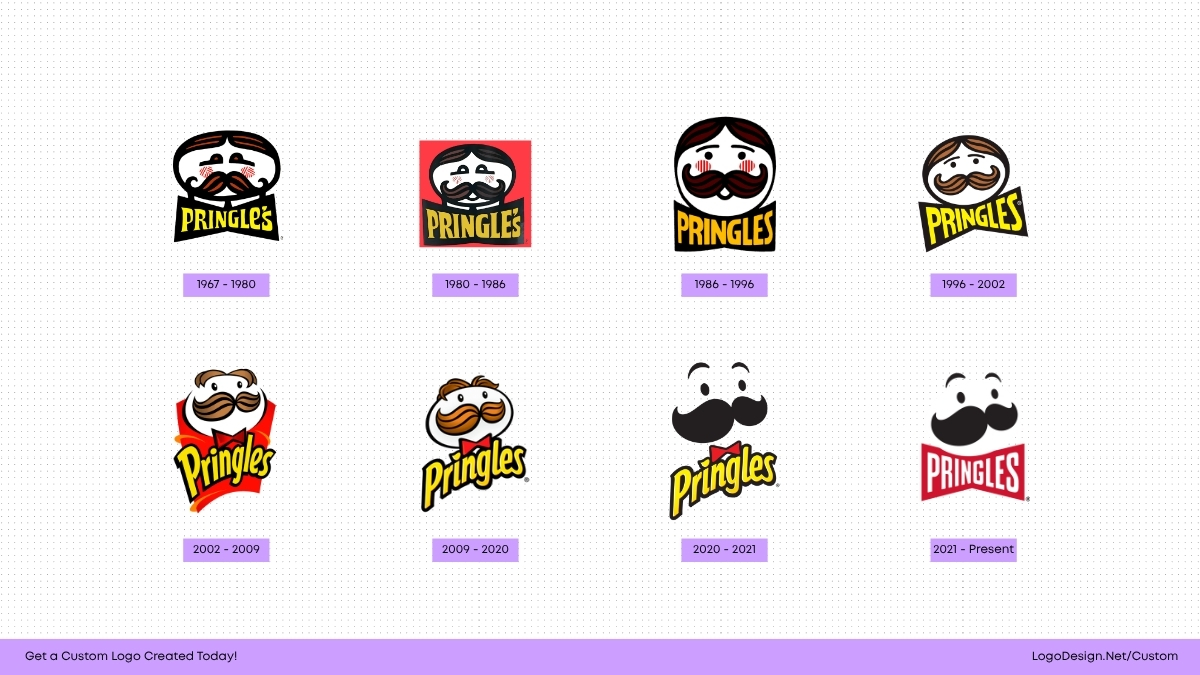
A good example is Pringles. Over the years, the famous mascot “Mr. P” was repeatedly simplified to fit modern design trends. While the brand kept the character, many people felt newer versions removed much of the charm and personality that made the original instantly lovable.
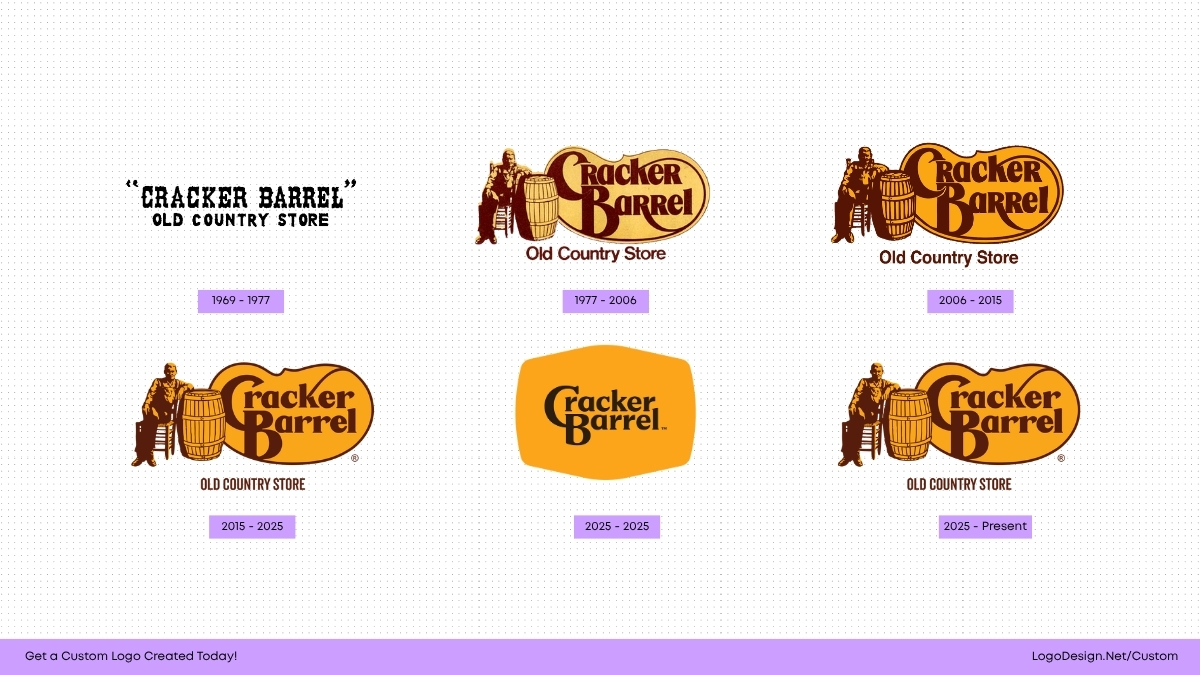
A similar reaction followed changes made by Cracker Barrel, especially after the company refined and cleaned up parts of its visual identity over time. Customers online often complained that the updated branding felt too polished and less warm compared to the rustic, old-country personality people associated with the restaurant chain for decades.
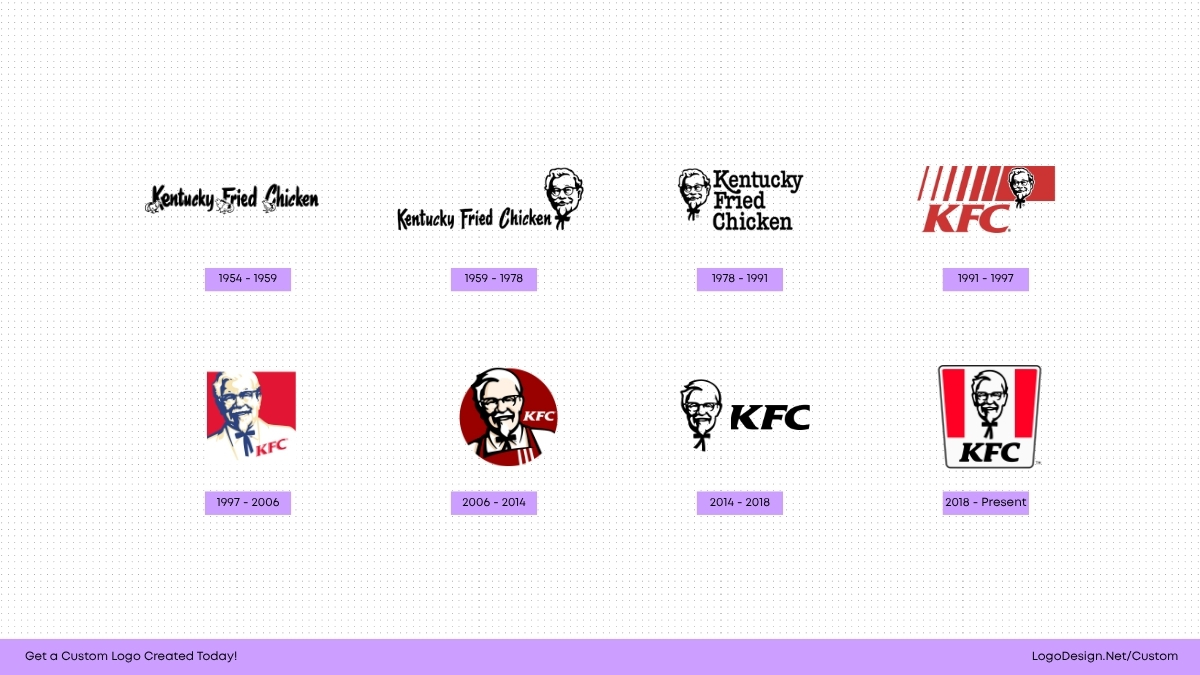
The same conversation happened around brands like KFC, where redesigns often leaned toward cleaner aesthetics at the expense of warmth and character.
The strange thing is that companies later realized people actually missed those imperfect, human touches. Nostalgia became valuable again because audiences were exhausted by branding that felt too polished and corporate. That is why many brands have gradually reintroduced retro mascots, vintage illustrations, and older logo styles into their identity systems.
Mascots bring brands to life. In a world where so many logos already look identical, removing personality completely may have been one of the biggest branding mistakes of the past decade.
7. The Copy-Paste Geometric Symbol Problem
At some point, brands became obsessed with looking clean and future-ready, and geometric symbols quickly turned into the easiest shortcut. Suddenly, every new company had a circle, hexagon, abstract loop, floating triangle, or infinity mark sitting beside its name as it came straight out of a stock icon library.
Geometric logo design itself isn’t the problem; in fact, according to shape psychology, they can be powerful when they actually connect to a brand’s story or personality. But too many companies started using abstract symbols simply because they looked modern, not because they meant anything. That is how branding slowly drifted into a sea of interchangeable icons.
You see this especially in tech and crypto startups, where logos often rely on perfectly symmetrical shapes with no real emotional identity. Remove the company name, and most people would struggle to guess what the business actually does. Is it a fintech app? A cloud storage platform? A fitness tracker? Nobody knows, because the logo communicates almost nothing beyond “we use modern software.”
A good example is the wave of blockchain and Web3 branding that followed companies like OpenAI, Polygon, and Meta adopting highly geometric identity systems. While these brands have strong recognition due to scale, countless smaller companies copied the same looping forms and abstract marks without building any distinct personality around them. The result was an internet full of logos that looked technically polished but emotionally empty.
That is the danger of relying too heavily on geometric trends. A logo may look modern today, but if it could also pass as a default app icon tomorrow, it probably isn’t saying enough about the brand behind it.
8. The Random Dot Syndrome
Few logo trends feel more confusing than the sudden obsession with random colored dots.
At some point, brands decided scattering little circles around a logo would magically make the company look innovative, connected, diverse, or tech-driven. Sometimes the dots form a loose pattern. Sometimes they float around for no reason at all. And sometimes they look like somebody put colorful confetti onto the design five minutes before the deadline.
The strange part is that many of these dots are not actually communicating anything meaningful. They are often added as visual filler to make a logo feel dynamic without solving any real branding problem. Instead of strengthening the identity, the extra elements usually make the logo feel more generic and harder to remember.
This trend became especially common in tech, healthcare, education, and telecom branding during the 2000s and early 2010s. Companies wanted to appear connected, global, and digitally advanced, so colorful dot clusters became the default shortcut.
A good example is Deloitte. Its logo uses a single green dot placed beside the wordmark, acting as a deliberate visual pause rather than decoration. The dot gives the brand a point of focus and helps balance the typography, while still feeling minimal and controlled.
Another strong example is Cambrook. Its identity uses small circular elements in a structured way across packaging and branding, where the dot-like forms feel consistent with the product story rather than randomly applied. The circles are part of a wider visual system, not an afterthought added for effect.
VAIO also uses abstract dots and signal-like elements within its identity language, where the forms relate to digital signal processing and wave patterns. In this case, the visual treatment supports the idea of technology and data flow, giving the dot-based language a clear conceptual anchor.
The problem begins when this approach is copied without that same intent. Around the same time, countless brands adopted dotted or circular motifs as a quick way to suggest innovation and connectivity, often without tying them to any real brand meaning. The result was an endless stream of logos and identity systems that looked active but said very little.
Dots are not the issue on their own. When they are used with structure and purpose, they can reinforce clarity and meaning. But when they are added loosely, just to make a logo feel modern or digital, they tend to flatten the identity rather than strengthen it, leaving the brand looking generic and unfinished.
9. The “We Are Global” Earth Icon;
There is a certain type of logo that tries very hard to say one thing: we work worldwide. And for some reason, the chosen way to say that is almost always the same globe icon.
At first, it makes sense. The Earth is instantly recognizable, it signals scale, and it gives a sense of international presence. But in practice, it has become one of the most overused visual shortcuts in branding. Instead of feeling global, these logos often end up feeling generic, like they were picked from a stock icon library.
The real issue is repetition. Once hundreds of companies start using the same globe outline, latitude-longitude lines, or orbit-style rings, the meaning weakens. What was once a clear symbol of worldwide reach turns into visual noise. It stops telling a story about the brand and starts telling a story about design laziness.
A well-known example that leans into this kind of global identity approach is Globe Telecom, where the branding naturally connects to communication networks and themes of worldwide connectivity. While it fits their industry context, it also shows how easily the globe idea becomes a default visual language for any company trying to suggest scale or reach.
Similarly, Universal Pictures uses a rotating Earth globe as the central element of its identity, wrapped with the company name. The globe is directly tied to the idea of worldwide film distribution, making it a fitting symbol for a studio that operates across global markets.
Discovery Channel also builds its identity around a globe-based mark, where the letterform is combined with an Earth texture inside the shape. This reinforces the idea of global exploration and documentary storytelling focused on the world itself.
The thing is, a strong brand does not need to draw the planet to prove it is global. It can communicate reach, connection, and ambition in far more original ways if the idea is properly thought through.
When every other logo is using the same circular world icon, the message stops feeling meaningful. And instead of standing for global presence, it starts standing for something much less impressive, like a lack of imagination.
10. The AI-Generated Logo Look
AI logo tools promised a faster future for branding. Type in a company name, choose a few keywords, click a button, and suddenly you have a sleek-looking logo in under thirty seconds. Sounds impressive until you realize half the internet is now producing the exact same kind of design.
Logos that carry an “AI-generated look” tend to follow a few repeating patterns. They lean on smooth geometric symmetry, looping ribbon forms, neon gradients, and network-like structures. These shapes resemble how machine systems visualize data, almost as if the logo itself were rendered from a prompt rather than designed through brand thinking.
Some of these include:
The Continuous Loop and Ribbon Form
This style uses flowing, infinite loops and smooth twisting forms that feel mathematically generated. It is one of the most common outputs of modern logo generators because it looks advanced without requiring a specific meaning.
- Microsoft Copilot features a glossy, multi-layered ribbon form with shifting neon tones, closely resembling AI-rendered vector loops.
- Airtel uses a fluid red curve that forms a stylized “a”, built with soft symmetry and rounded motion typical of generator-style outputs.
The Geometric Spiral and Radial Pattern
These logos rely on tightly controlled symmetry, often radiating from a central point. The effect is visually complex, but structurally predictable, similar to algorithmic pattern generation.
- BP uses the “Helios” sunburst mark, built from evenly spaced radial segments that resemble computationally generated circular patterns.
- Mozilla Firefox uses a swirling, orbit-like fox form wrapped around a central globe, with motion and curvature that echo procedural spiral construction and layered radial flow.
The Node and Wireframe Network
This style mimics digital systems, data flow, and connected nodes. It is one of the clearest visual translations of machine-learning aesthetics into branding.
- DeepMind uses a structured grid-like visual system in its identity language, reflecting neural network mapping and computational structure.
- Asana uses three connected circular forms arranged in a soft triangular structure, resembling floating nodes in a digital interface.
That is the biggest problem with the AI-generated logo look. Everything appears polished at first, but strangely familiar after a few seconds. The icons feel recycled, the typography feels generic, and the layouts start to blend together, as they all come from the same endless template library. You begin noticing the same geometric symbols, gradient swooshes, abstract initials, and perfectly symmetrical marks repeating across industries.
Many startup brands now fall into this trap without even realizing it. Their logos technically look professional, but they do not feel connected to any real personality or story. They look manufactured for approval rather than designed for recognition.
That is also where the debate between AI logo makers and human designers becomes interesting. AI can generate options quickly, but speed is not the same thing as originality. A human designer understands context, personality, culture, emotion, and the small details that make a brand feel distinct instead of algorithmically assembled. The best logos are not just visually clean. They feel intentional. And that is still something people remember far more than perfectly generated symmetry.
So What Should Brands Do Instead?
After going through all these overused logo trends, the real question is: if everyone is copying the same visual language, what should brands actually do differently?
The answer is not to avoid modern design altogether. It is to stop designing for approval and start designing for identity. A logo should not feel like it belongs to a trend cycle. It should feel like it belongs to a specific brand with a specific story.
• Focus on distinctiveness over trendiness
A logo does not need to follow what is popular right now. It needs to be recognizable in a crowded market where attention is limited, and everything starts to look the same.
• Design for recognition, not temporary internet approval
A good logo works on a website, on a phone screen, on packaging, and in memory. If it only looks good in a design mockup, it is not doing its job.
• Timeless logos usually have character, not perfection
The most timeless logos are not always the most polished ones. They have personality, small imperfections, and details that make them feel human rather than automated.
• Brand story and personality matter more than visual tricks
Shapes, fonts, and symbols should come from meaning, not decoration. When a logo reflects a real story, it naturally feels more original than anything pulled from a trend list.
At the end of the day, strong branding is not about avoiding every modern style. It is about making sure every design choice has a reason to exist.
Conclusion: Trends Fade, Recognition Stays
It is a strange cycle when you look at it closely. Brands spend serious time and money trying to stand out, yet many of them end up following the same visual trends as everyone else. The result is a marketplace full of logos that are technically modern, but emotionally forgettable.
Trends move fast. What feels fresh today often feels tired within a few years. Minimalism becomes emptiness. Geometric symbols start blending together. Gradients, arcs, dots, and ultra-clean fonts all go through the same pattern of rise and repetition. In the middle of it all, distinctiveness quietly disappears.
The brands that last are usually the ones that resist this cycle. They focus less on what is popular and more on what is meaningful. They build identities that people can recognize without effort, even when trends change around them.
Because in the end, a logo is not meant to be a fashion accessory that changes with the season. It is an identity that should stay with a brand for years, sometimes decades.
If you are building a brand, aim for something people remember, not something that just fits in. Create a logo that feels like yours, not something the internet has already seen a hundred times before.