Your brand isn’t static, so why should your logo be? See how modern businesses use flexible logo systems to shine across screens, apps, packaging, and beyond.
In today’s world, people meet brands on more screens in a day than they did in a week a decade ago. A logo that looks perfect on a letterhead may lose clarity as a tiny app icon or a social media avatar. That’s one reason why modern brands are moving beyond a single static mark to a more flexible logo system.
A logo system is not just one picture but a coordinated set of marks that can be used across contexts while retaining recognizability and meaning. It gives brands room to breathe and adapt without losing their visual identity. In fact, consistent branding across platforms is linked to stronger recognition and even revenue gains, with companies reporting a 10–20% lift from consistent brand use across touchpoints.
Sounds impressive, right? Let’s find out all about logo systems and why they’re a must-have for modern brands.
The Evolution of Logos: From Single Mark to Flexible System
Not long ago, logos were simple and static. A handful of iconic brands built their identities around a single mark that never changed much over the decades.
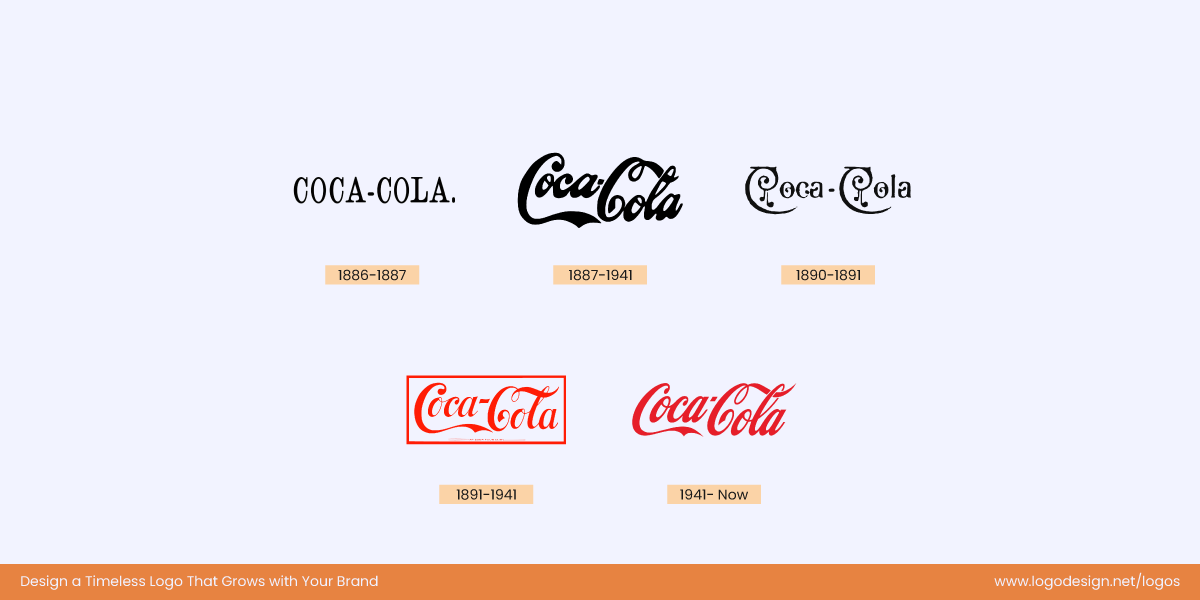
For example, Coca-Cola has used its flowing Spencerian script for over a century. That single red‑and‑white logo became so familiar that people recognized it without any additional symbols or taglines.
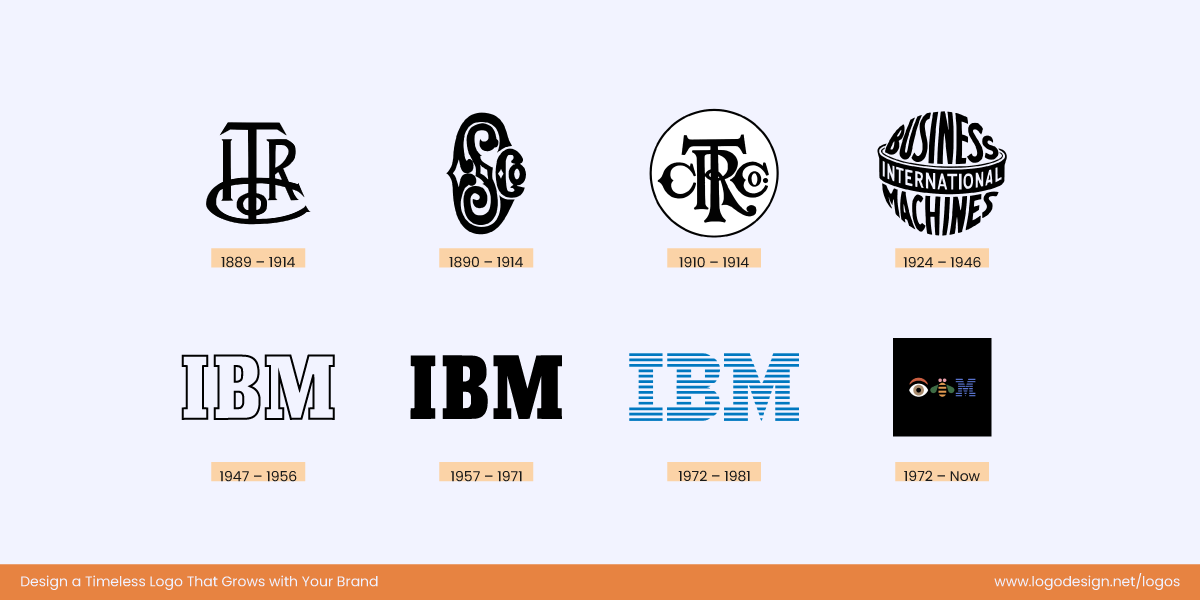
IBM has relied on a bold, striped wordmark since the 1970s. It was designed to convey strength and technical precision and stayed consistent through print ads, letterheads, and signage.
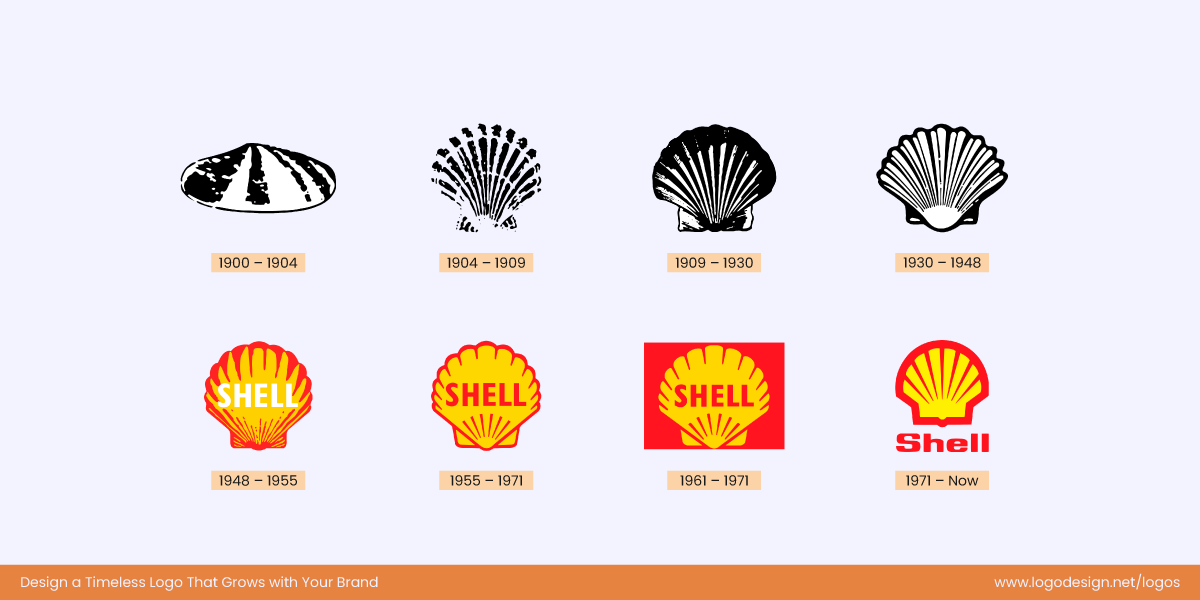
Shell’s scallop shell shape became a global icon for fuel and energy. Its simplicity made it instantly identifiable on gas stations and billboards alike.
These single marks worked well in a print‑and‑broadcast world, where audiences saw logos in consistent environments.
But the environment brands live in today is very different. People encounter brands not just on posters or packaging but also on
- Tiny phone notifications
- Favicons in browser tabs
- Social media avatars
- Smart TV screens
- Wearable devices
- Animated interfaces
A logo that works well at a large scale can easily become illegible or lose impact when reduced to a tiny dot on a mobile screen. To meet this reality, brands have shifted toward logo systems—coordinated sets of logo variations designed to work across different contexts while avoiding cognitive overload.
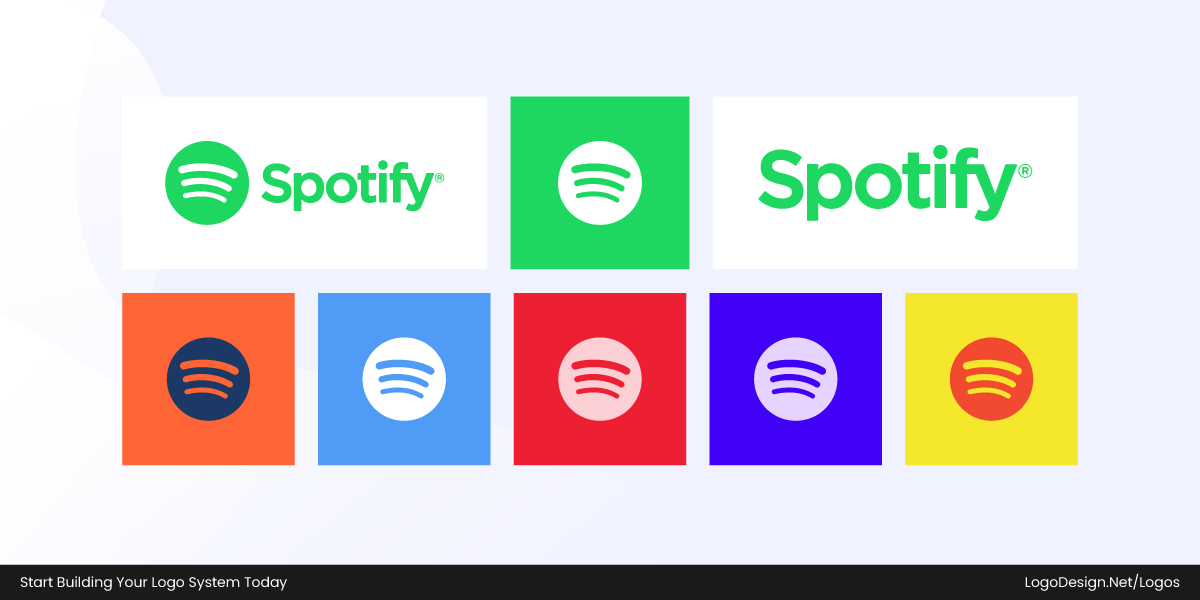
A striking example of this is Spotify. Its primary logo combines the green circle‑icon with the wordmark for use in web banners, print ads, and official materials. When space is tight, such as on a mobile home screen or browser tab, Spotify uses just the green circle with the three curved lines. This simplified icon remains clear and recognizable even at very small sizes, something a full wordmark could not pull off without losing detail or legibility. In some cases, Spotify will also use color/monochrome versions of its logo to fit different backgrounds or campaign themes. These variations are all part of a deliberate system built to maintain recognition while adapting to each platform’s demands.
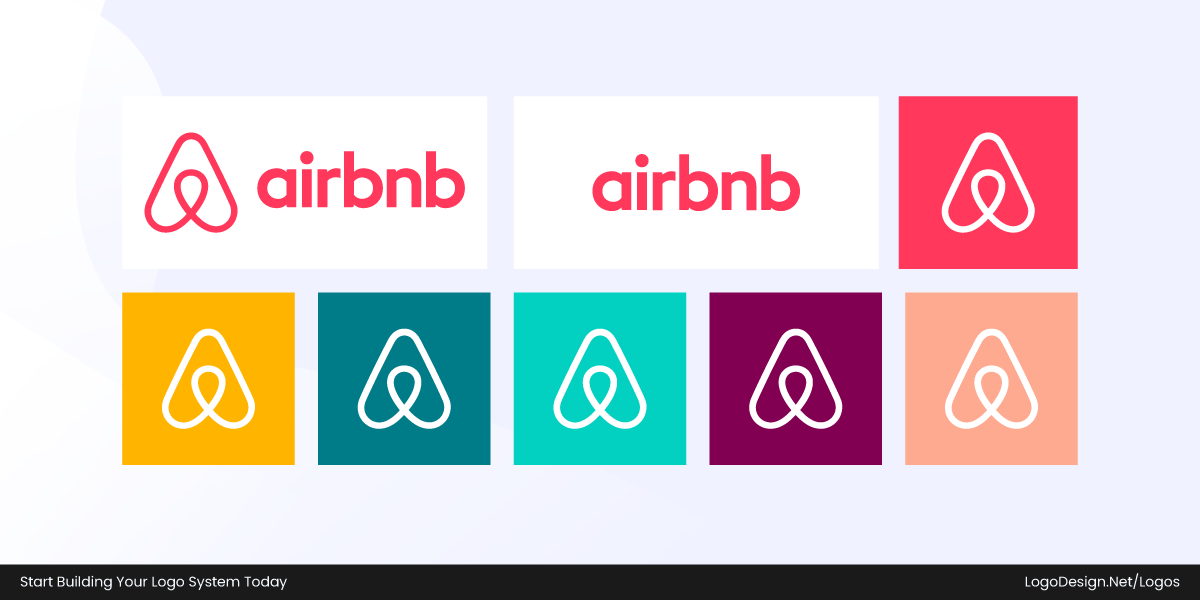
Another strong example is Airbnb. The full “Bélo” symbol and wordmark appear on websites and marketing materials, while the symbol alone often serves as the app icon or social profile image. In contexts where space is tight or recognizability matters over text, the simplified mark performs better.
Research indicates that brands that present themselves consistently across platforms can see revenue increase by around 23% on average. This lift comes from maintaining a consistent visual identity, messaging, and tone across all channels, rather than relying on a single static logo or inconsistent branding.
What Is a Logo System?
A logo system is a flexible set of coordinated marks that maintains brand recognition while adapting to different contexts and platforms. Unlike a static logo, a system allows brands to be legible, recognizable, and visually consistent across everything from a giant billboard to a tiny app icon.
A typical logo system includes several components:
• Primary Logo
This is the main logo, usually the most complete version. It may include the brand name, icon, and tagline.
Where to use it: Desktop websites, presentations, official documents, and large signage.
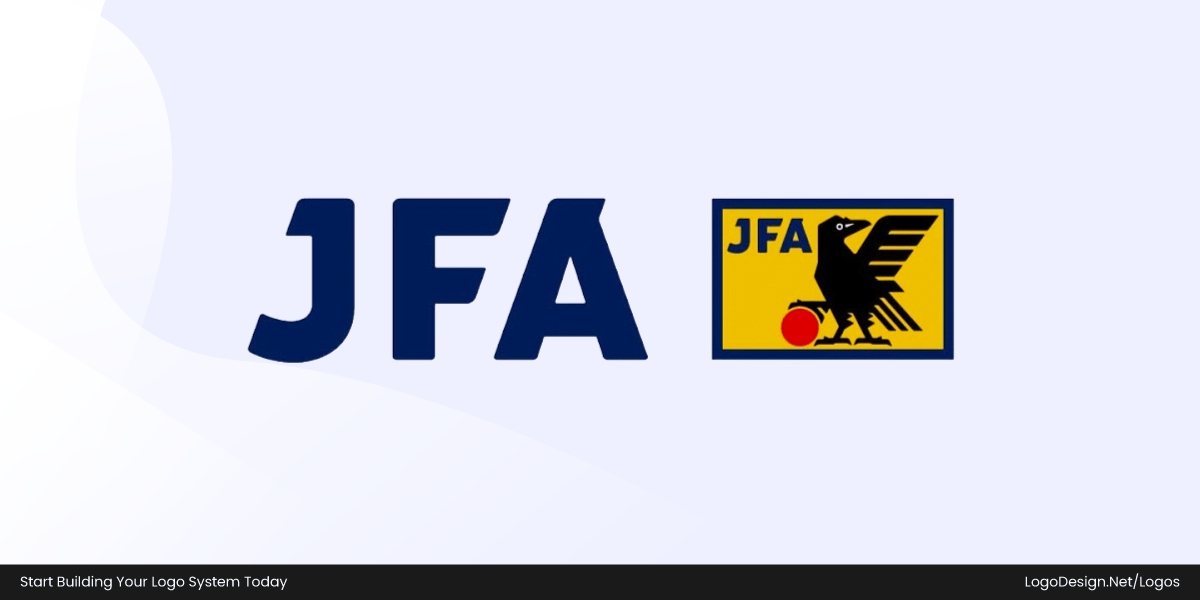
The JFA primary logo is built using a bold “JFA” lettermark, paired with a boxed geometric graphic, followed by the lettermark again. This creates a balanced, modular structure that feels both strong and distinctive. The repetition of the lettermark reinforces brand recall, while the boxed element acts as a visual anchor.
• Secondary Logo
A simplified or condensed version of the primary logo, often dropping the tagline or reducing detail for better legibility in constrained spaces.
Where to use it: Mobile websites, email signatures, website footers, uniforms, small print items.
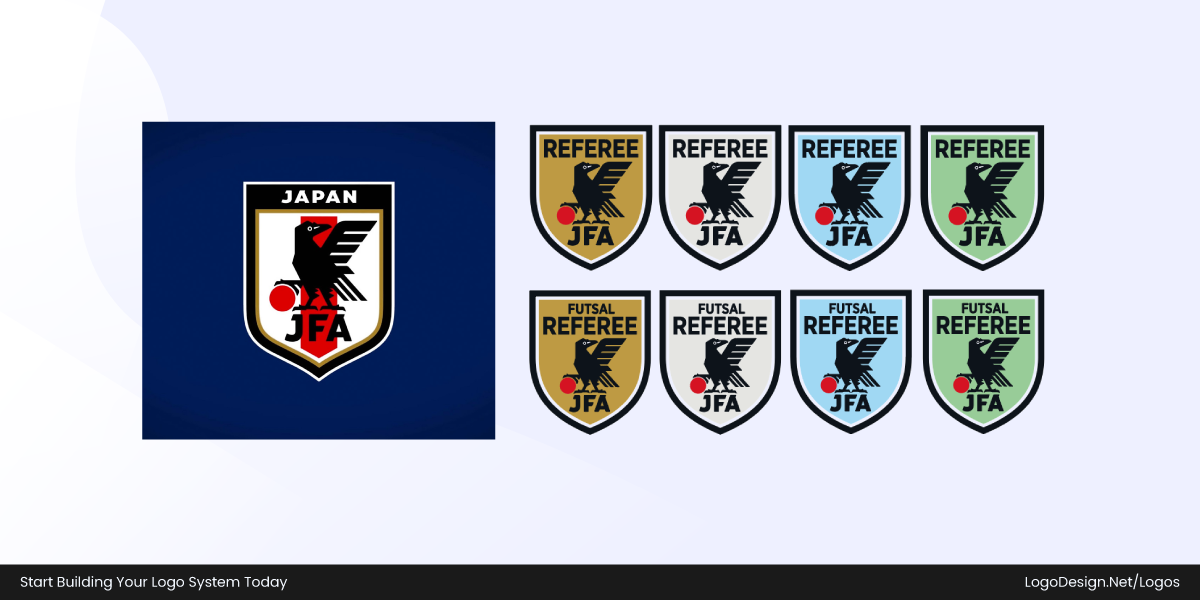
JFA’s secondary logos break down the primary structure into more focused variants. The team logo refines the composition into a more compact, badge-like format, while the referee logos introduce functional variations with distinct layouts and supporting elements. These versions maintain the same bold typography and visual language but are optimized for clarity in smaller or role-specific contexts.
• Icon / Mark
The most minimal version, typically just the graphic element, with no text. This ensures recognition even at tiny sizes.
Where to use it: App icons, social media avatars, favicons, stickers, packaging patterns.
JFA’s icon is a stylized eagle graphic constructed with sharp, angular forms, giving it a sense of motion and authority. The design feels geometric and modern, allowing it to scale well while remaining recognizable even without any accompanying text.
• Submarks / Wordmarks
Variations of the logo that highlight typography or initials are often used for special campaigns or limited spaces.
Where to use it: Merchandise, promotional materials, social posts.
The JFA wordmark is a bold, condensed blue lettermark, designed for maximum legibility and impact. Its simplicity makes it highly versatile, working well on its own without the need for additional graphic elements.
Types of Logo Systems
Not all logo systems work the same way. Some are built for flexibility, others for storytelling, and some are designed to adapt instantly to different environments. Understanding these types helps you choose what actually fits your brand, rather than forcing a one-size approach.
• Responsive Logo Systems
Responsive logos expand or simplify depending on where they appear. The idea is simple: show more detail when there’s space, and strip it down when there isn’t. This ensures clarity without losing identity.
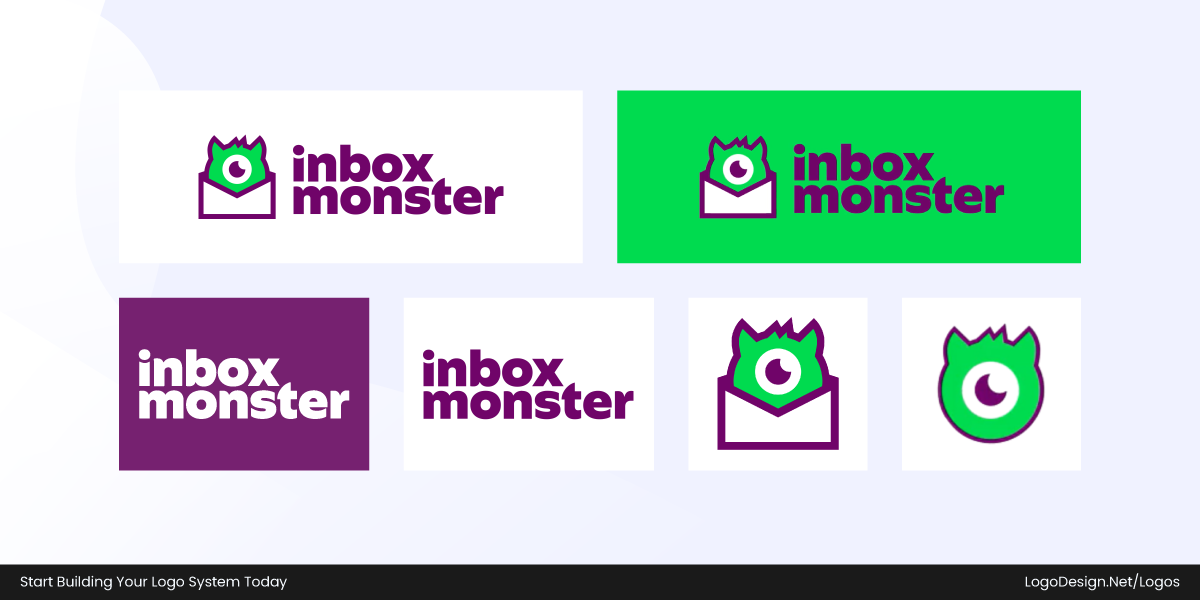
Inbox Monster uses a flexible system where the full logo appears in detailed contexts, while simplified icon versions take over in tighter digital spaces. This allows the brand to stay bold and expressive without becoming cluttered.
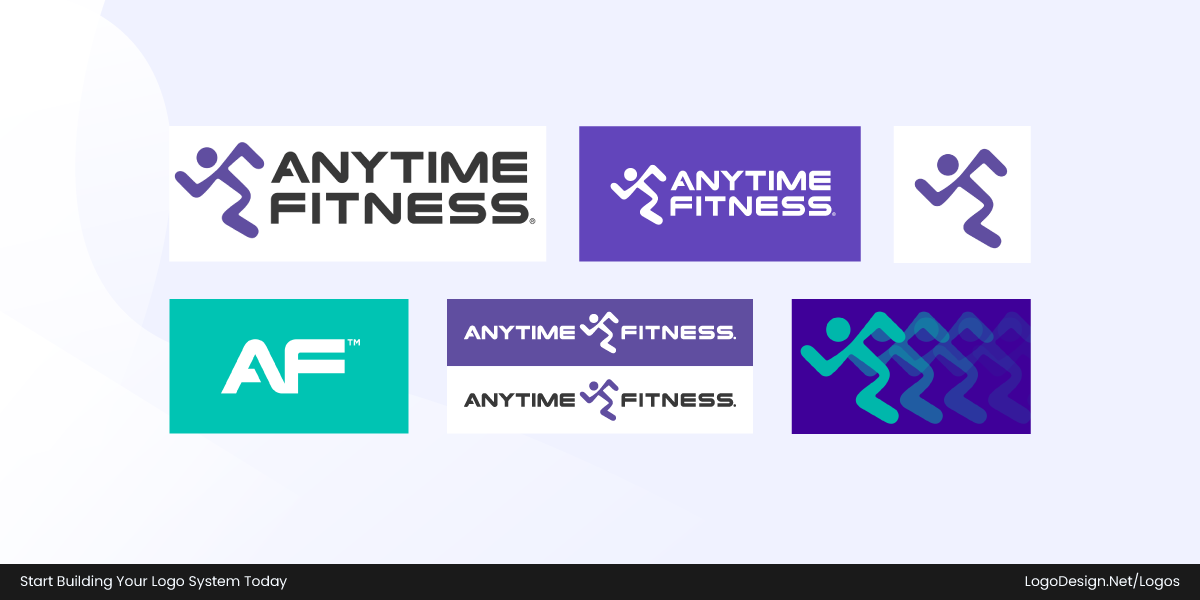
The refreshed Anytime Fitness identity introduces a system where the full wordmark, symbol, and simplified icon can be used independently. The circular “A” symbol often stands alone in digital and environmental branding.
• Dynamic Logo Systems
Dynamic logo systems go a step further. Instead of just resizing or simplifying, these logos change based on context, content, or interaction. The core identity stays intact, but the visual form evolves, making the brand feel more alive and expressive.
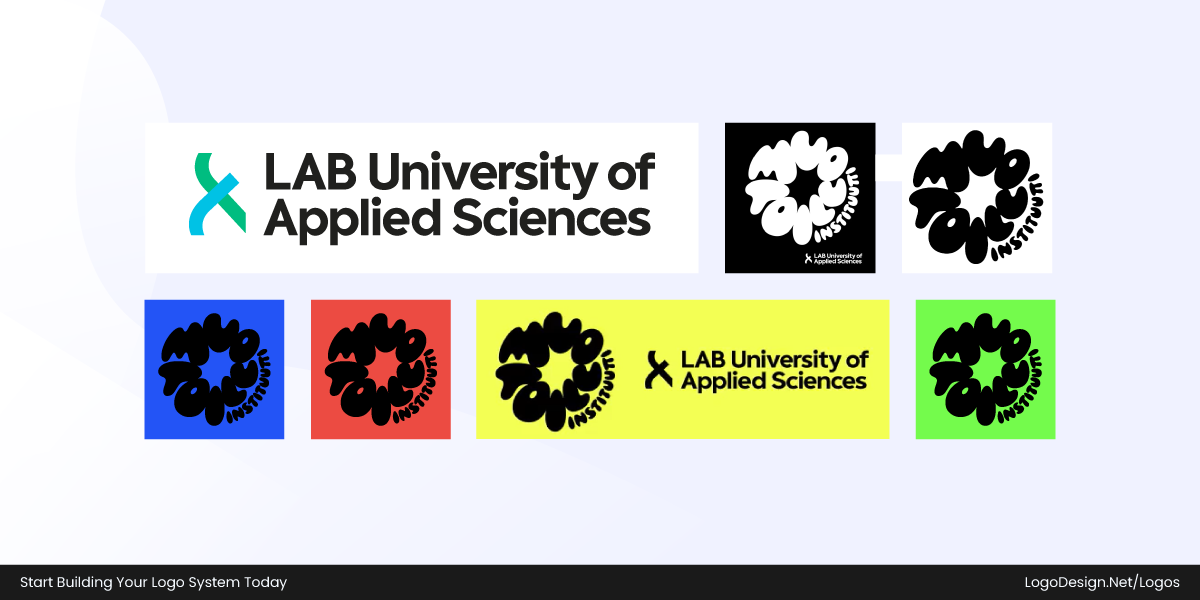
The Lab Institute of Design and Fine Arts’ identity is built around a master form, but it never stays static. The logo continuously shifts shape, adapting to different environments, layouts, and applications while maintaining its core structure. The logo feels experimental and fluid, which perfectly reflects the creative nature of a design institute.
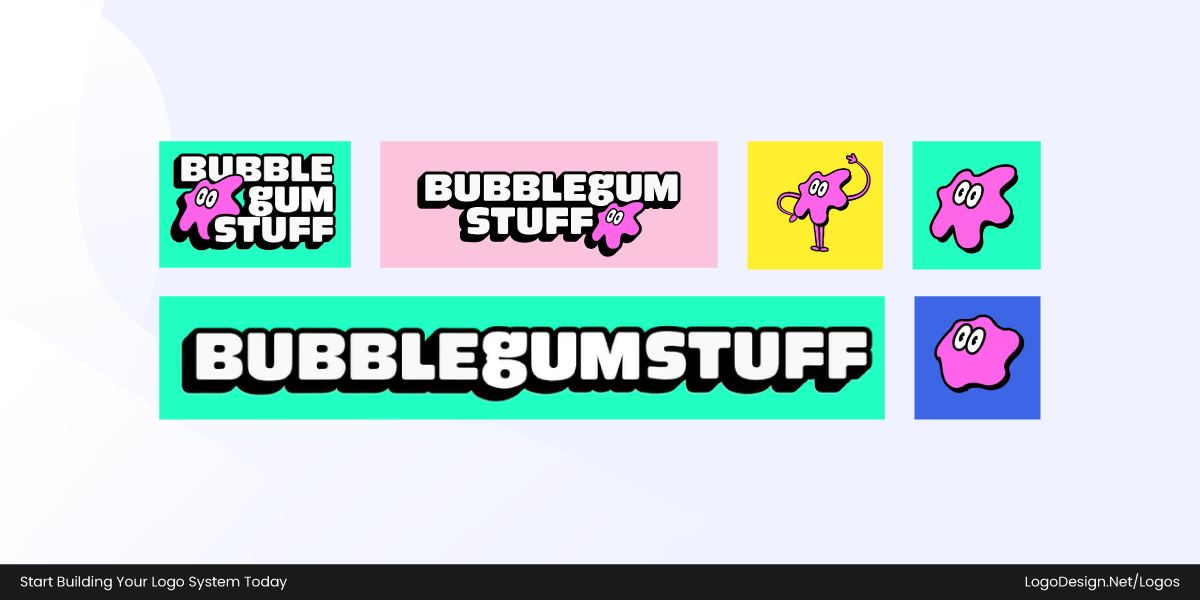
Bubblegum Stuff takes a more playful approach. Their logo system revolves around a character that changes expressions, poses, and forms depending on the context or campaign. This makes the brand feel fun, unpredictable, and full of personality.
• Modular Systems
Modular logo systems are built like a set of building blocks. Instead of one fixed mark, the identity is made up of interchangeable elements that can be rearranged, combined, or expanded depending on the context. This gives brands structure and flexibility at the same time.
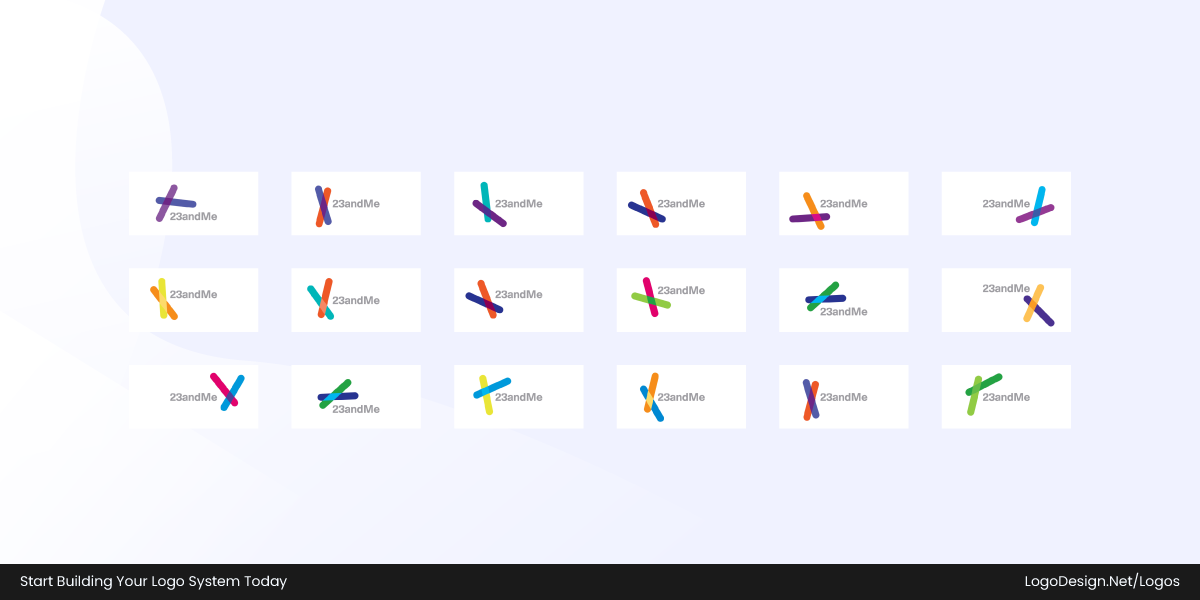
23andMe’s identity is based on a series of modular shapes inspired by DNA structures. The system allows different variations of the logo to be created by rearranging these elements, while still feeling cohesive.
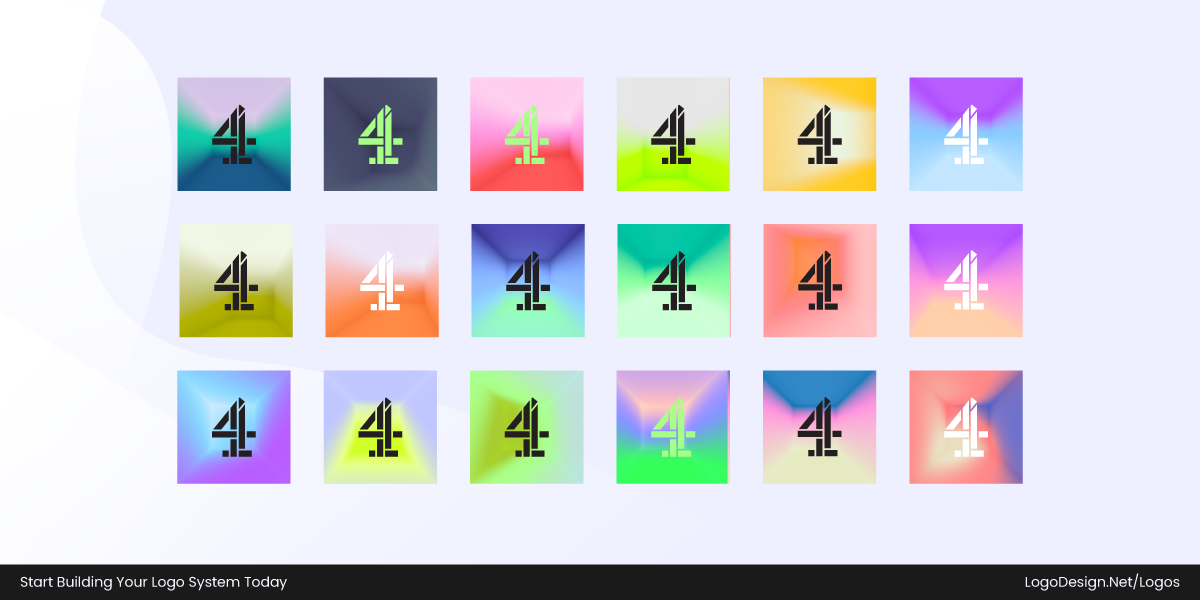
Channel 4’s logo system is built around a central “4” that acts as a core module, surrounded by a flexible visual universe of colors, layouts, and motion elements. The identity adapts across content, platforms, and campaigns without losing its core structure.
• Generative Systems
Generative logo systems take flexibility to the next level. Instead of manually designing variations, these systems use algorithms or rules to automatically create endless versions of a logo. The designer sets the framework, the system does the rest—producing identities that are always consistent yet never exactly the same.
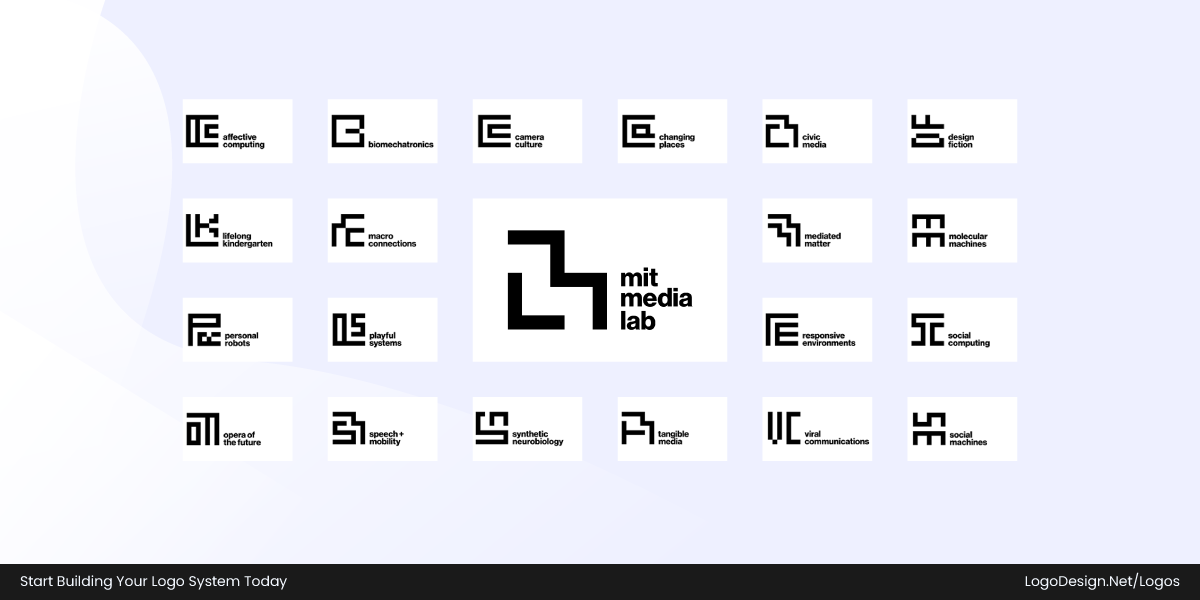
MIT Media Lab’s identity is one of the most famous examples of generative design. Its system could produce up to 40,000 different logo variations, each generated through an algorithm based on a grid structure.
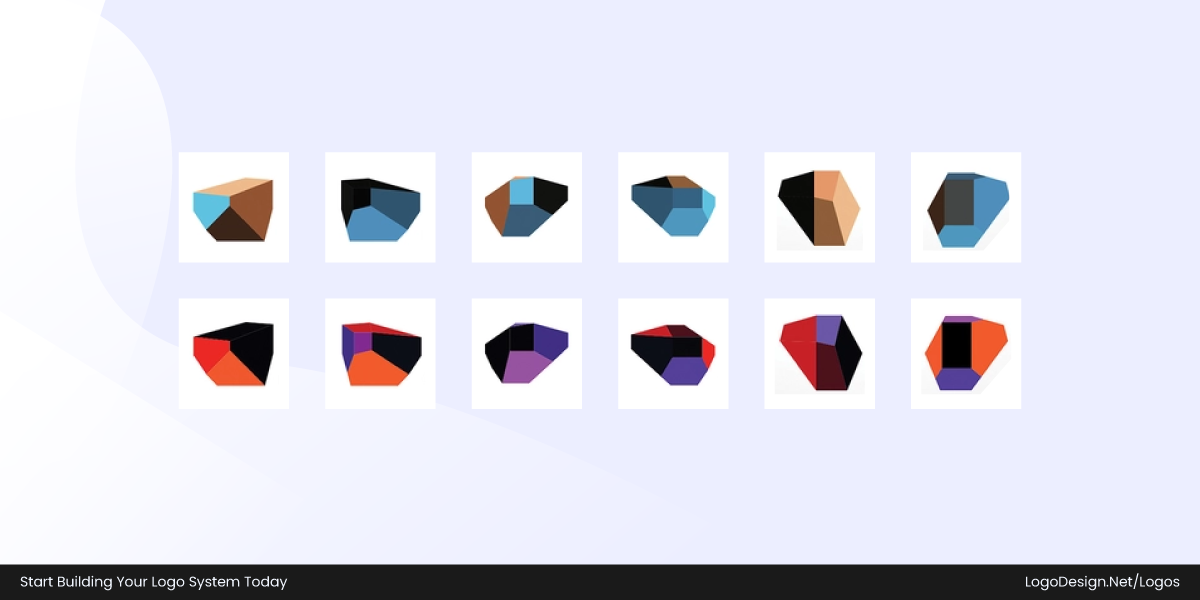
Casa da Música’s logo is generated through custom software that changes the logo’s colors and appearance based on images or context. The system draws from the building’s architectural form and adapts it for different applications.
Why Brands Need More Than One Logo Today
In a world where people interact with brands on tiny phone screens, giant outdoor displays, social feeds, packaging, and video ads, a single static logo often doesn’t do the job. A flexible logo system gives brands the tools they need to stay recognizable, relevant, and consistent, no matter where they appear.
In fact, research by Nielsen Norman Group suggests that about 70 percent of consumers can recognize submarks or simplified logos without ever seeing the full logo first. That points to a simple truth: people don’t need the full lock‑up to connect a mark with a brand—but they do need the mark to be adaptable to the context.
Below are the key reasons why brands need to design a scalable logo today.
1. Multi-Platform Flexibility
Your brand appears everywhere now: TikTok avatars, email headers, merchandise, packaging, favicons, and trade show booths. A single, rigid logo may look great on a website but fail when scaled down to an app icon or enlarged for a banner.
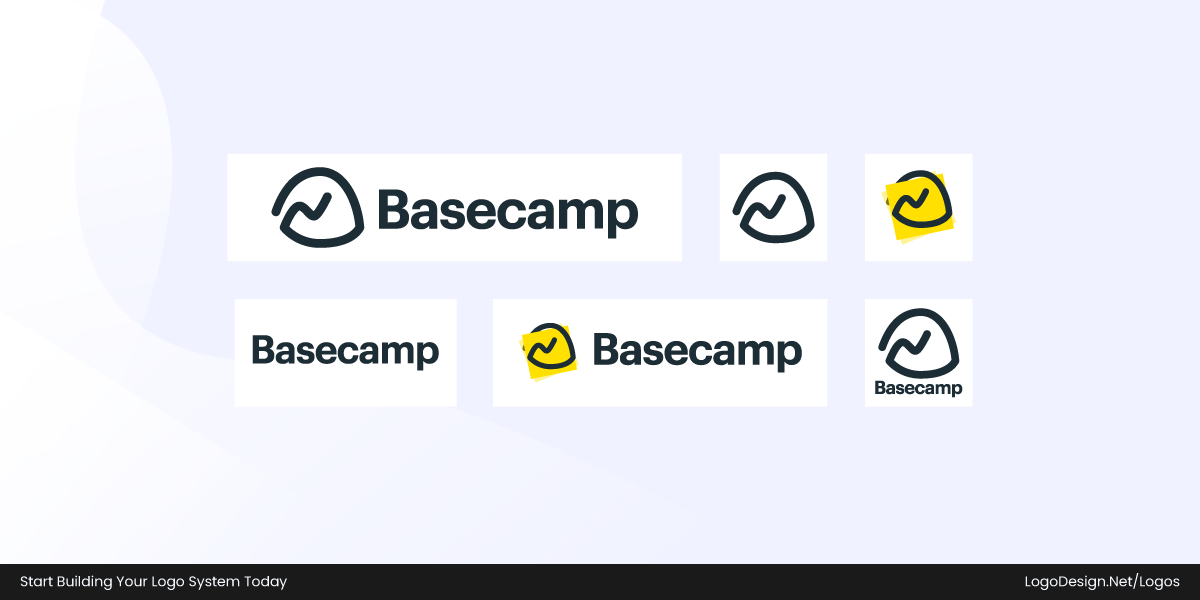
The project management tool, Basecamp, uses a full logo for its website and corporate materials, a simplified icon version (just the mountain graphic) for its mobile app, and a tiny badge version for social profiles. Each variation works in context without losing recognizability.
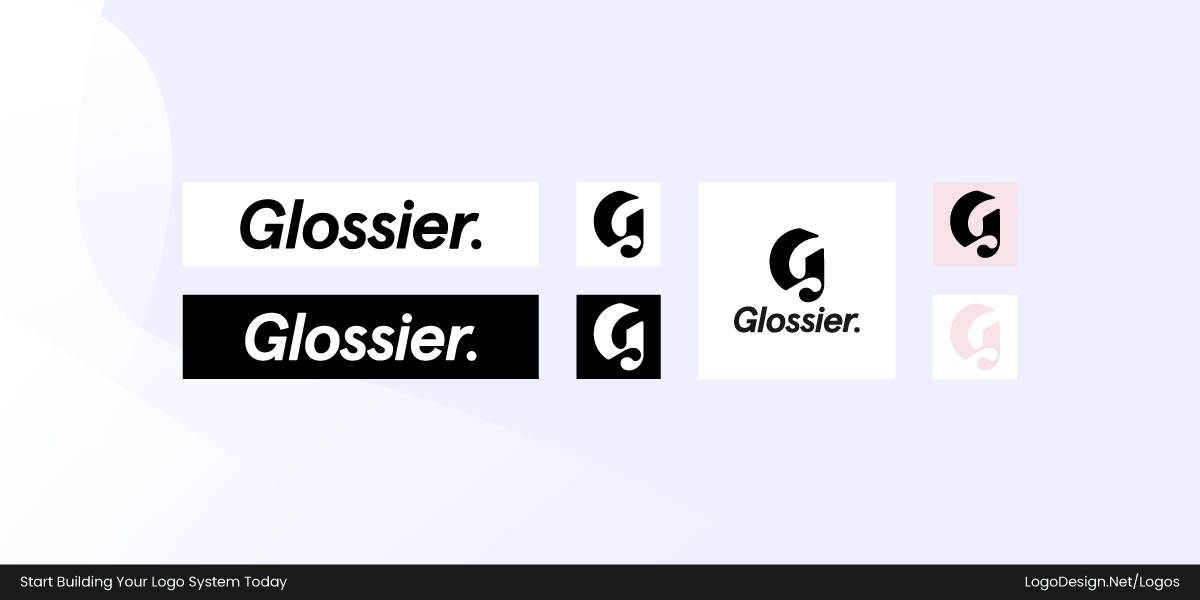
Similarly, the beauty brand Glossier uses a clean wordmark on its website and print ads, a simple “g” icon for favicons and social avatars, and occasionally stylized submarks for limited-edition packaging. This flexibility keeps the brand cohesive while fitting any platform.
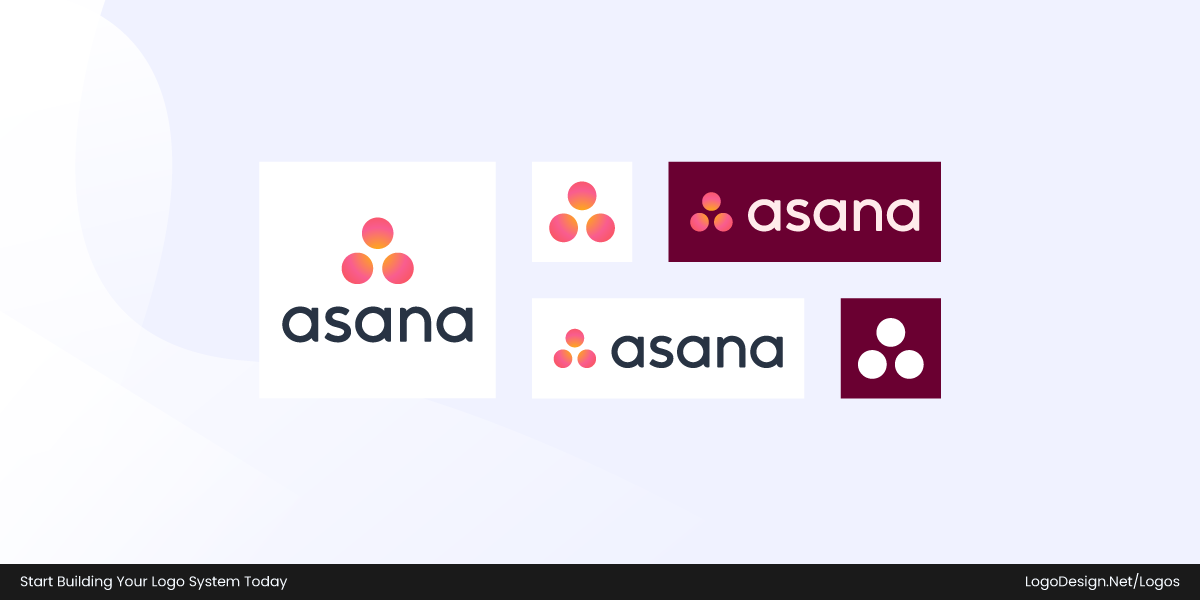
Asana’s full logo appears on its blog and home page, a grouped dot mark is used for app icons, and simplified dots or altered colors appear in campaigns and product-specific visuals. The system adapts without ever feeling disconnected.
2. Better Brand Recognition
When every logo variation feels like it belongs to the same family, audiences form stronger visual connections. That continuity builds familiarity, trust, and memorability—the foundations of a strong brand.
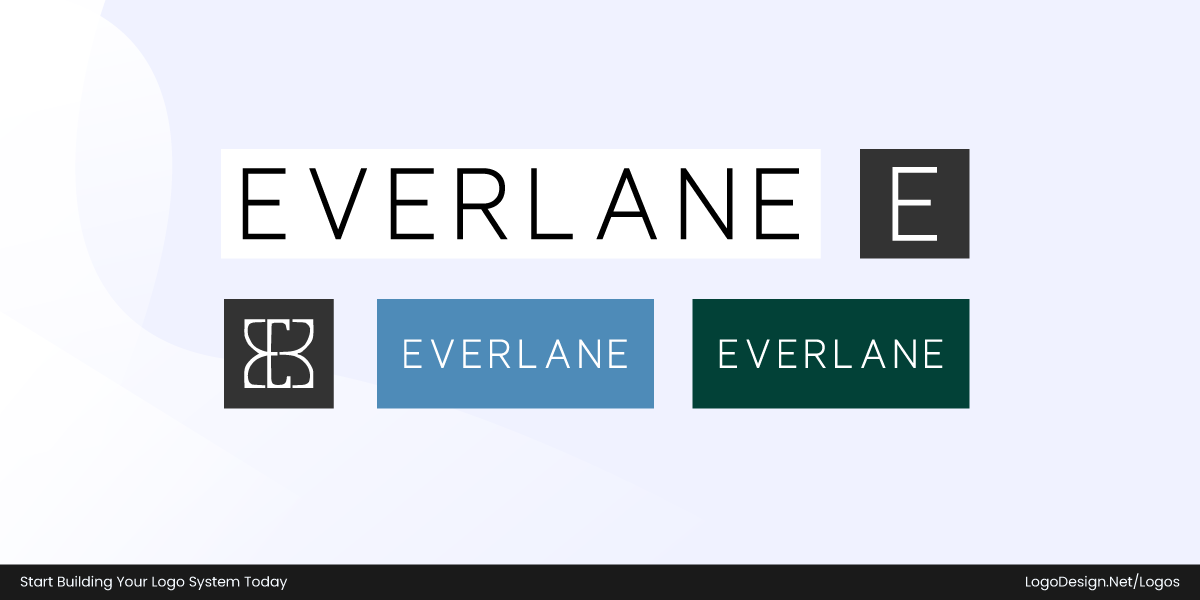
Everlane uses its primary logo on its website and lookbooks, a pared‑back wordmark for tags and packaging, and a circular “E” mark for social profile icons. Each variation reinforces the brand without confusion.
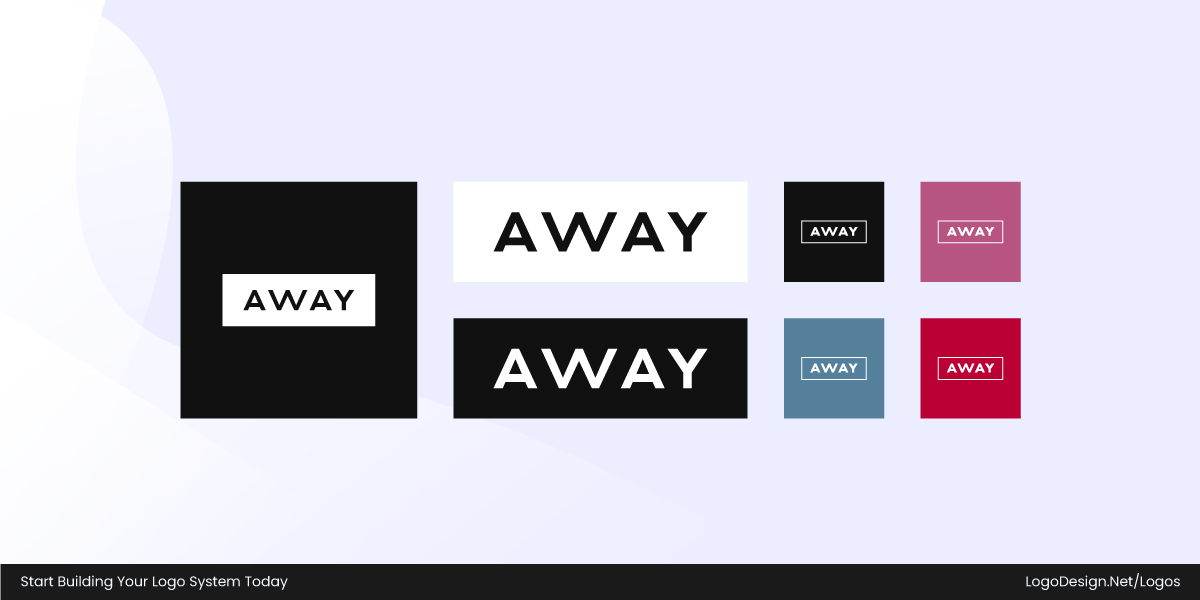
Away, a luggage brand, combines a straightforward wordmark with a minimal “A” mark. That “A” alone appears on bag hardware and small accessories, becoming instantly identifiable to returning customers even without the full name present.
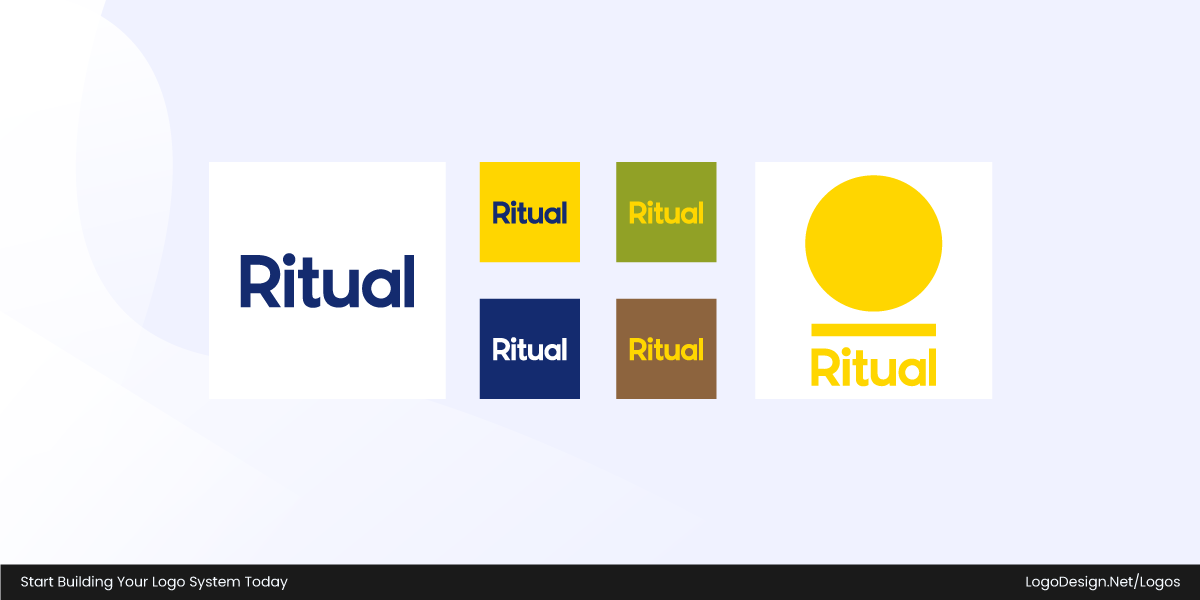
When it comes to brand color palettes, Ritual maintains a consistent palette across its primary logo, a tiny capsule-shaped mark, and submarks used on bottles and boxes. This visual link across product lines reinforces recognition at a glance.
3. Seamless Collaboration
Logo systems are creative plus operational tools. When designers, developers, marketers, and printers all use the same set of approved logo components and guidelines, there’s less guesswork and fewer errors. That means fewer inconsistent uses and faster turnarounds.
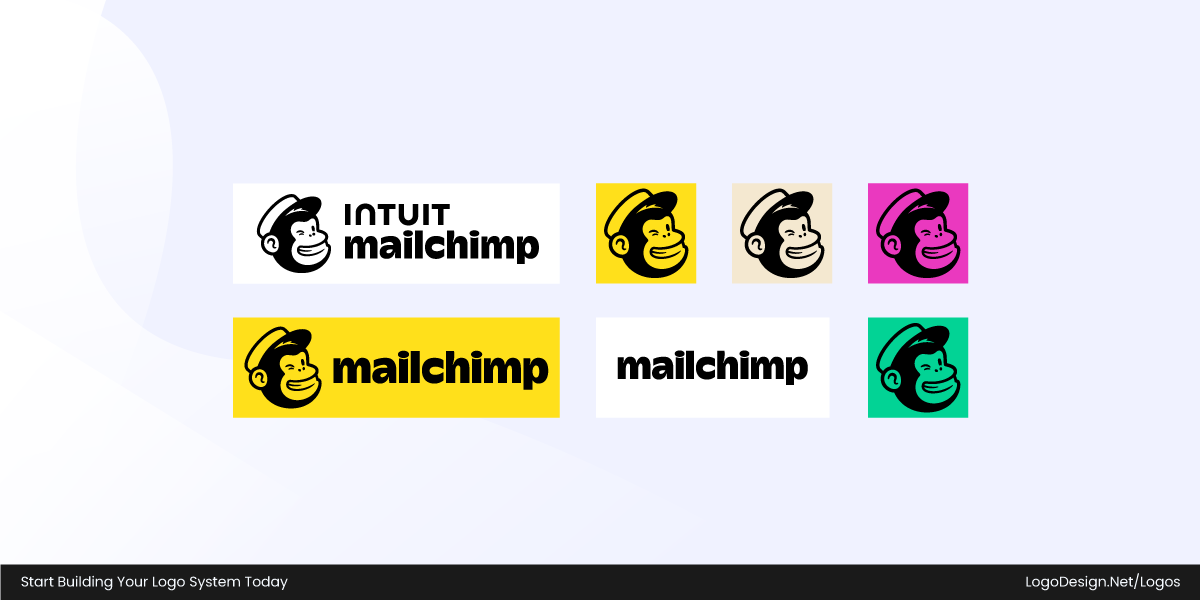
Mailchimp provides its team with a toolkit that includes primary lock-ups, submarks, and pattern elements. Whether it’s a campaign banner, an event screen, or an email footer, everyone pulls from the same set, so the identity stays consistent.
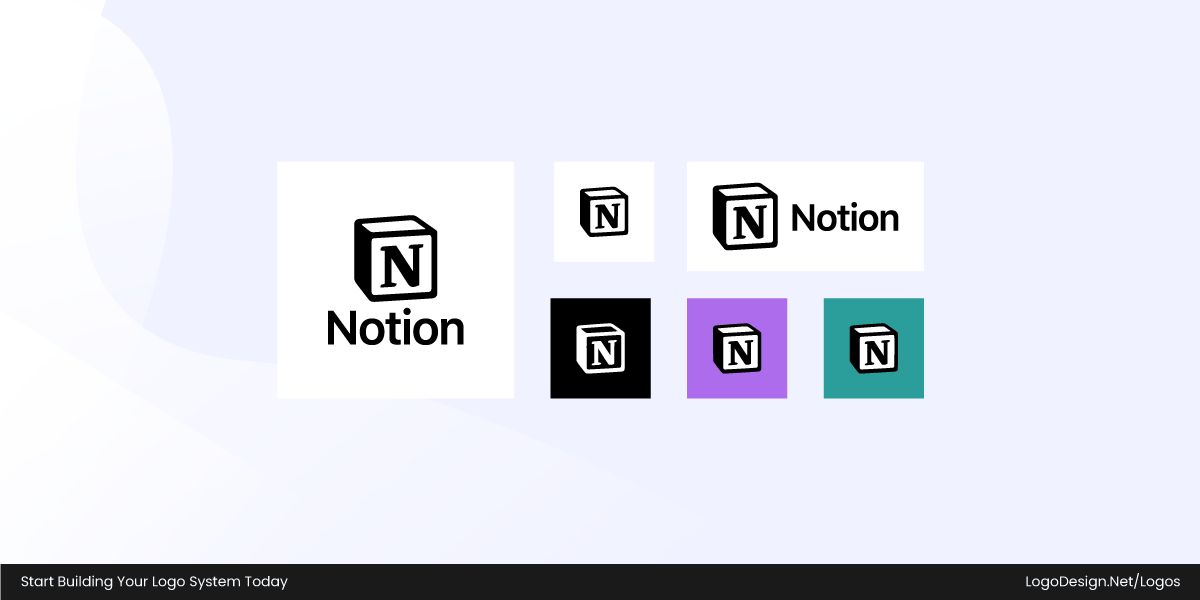
Notion’s branding assets include its full logo, simplified block icon, and wordmark variations. Teams across product, marketing, and partnerships use these consistently, which helps maintain a unified look across disparate use cases.
Figma’s visual identity system includes the full logo, an “F” icon, and simplified color blocks. Because these are well-documented, cross‑discipline teams can build interfaces, presentations, and merch without reinventing or misusing the identity.
4. Built for the Future
Brands evolve—new products start, old ones retire, markets shift. A flexible logo system lets identity grow without breaking continuity. Rather than redesigning from scratch each time, teams can adapt existing components to new contexts.
Zoom’s primary logo serves corporate communications, but a simpler “Z” mark appears in app lists, widgets, and integrations. As the product expanded into hardware and services, the logo system helped the brand stay adaptable.
Shopify uses its full logo with the shopping bag symbol and wordmark for official branding, while the bag icon alone is widely used across apps, dashboards, and integrations. As Shopify introduced new tools and services, the icon became a shorthand for the entire ecosystem.
Duolingo’s language-learning app uses its owl mascot in many informal contexts, a simplified graphic for app icons, and full lock-ups for official partnerships. This system allows the brand to evolve around personality and utility without losing recognizability.
How to Design Your Own Logo System
Building a logo system might sound like a big task, but it’s really about planning smart and thinking ahead. Here’s a step-by-step approach to get started.
Step 1: Identify Brand Assets and Usage Needs
Start with a clear design brief. What are your brand’s key assets? Where will your logos appear—social media, packaging, websites, merchandise? Knowing this upfront helps you determine which elements you need, how simplified versions might work, and what kind of flexibility your system requires. A detailed brief sets the foundation for consistency before you even open your design software.
Step 2: Create Your Primary Logo + Secondary Variations
Once you know your assets, it’s time to design. Start with a primary logo, then develop secondary versions for smaller or constrained spaces. Choose the right font pairings to ensure legibility across sizes, and carefully select a color palette that reflects your brand’s personality and works in both digital and print. These variations should feel like a family—different, but still connected.
Step 3: Define Guidelines for Usage Across Platforms
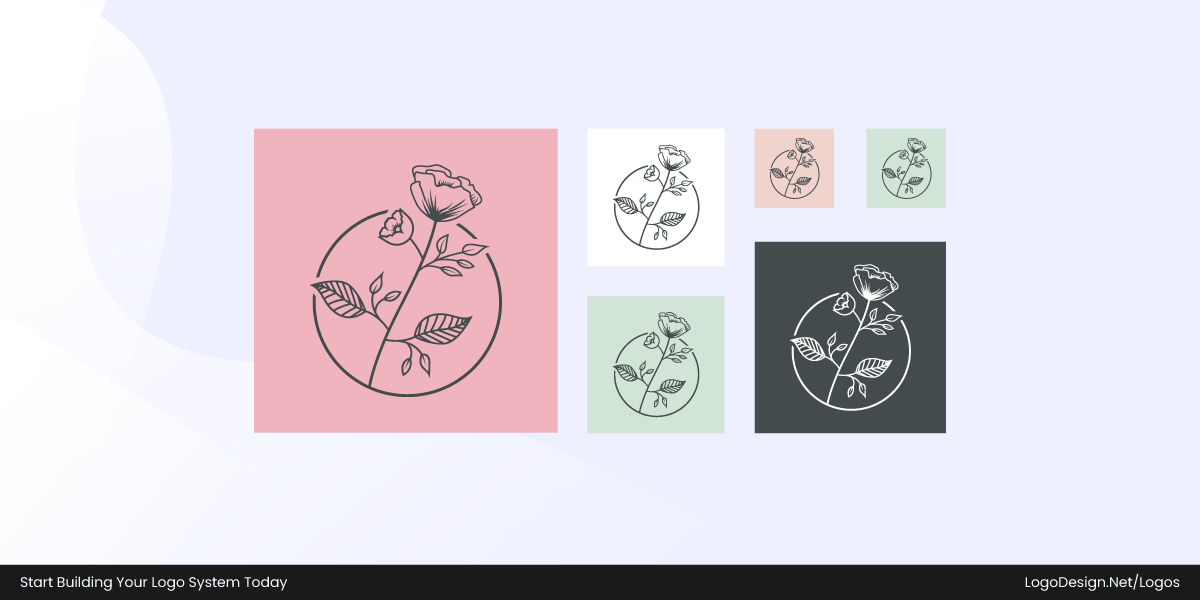
A logo system is a collection of marks that represent a set of rules. Define how each logo component should appear on different backgrounds, in various sizes, and on multiple platforms. Clear guidelines prevent misuse and make life easier for designers, marketers, and collaborators. Think of it as your brand’s instruction manual for consistency.
Step 4: Test in Real-World Scenarios
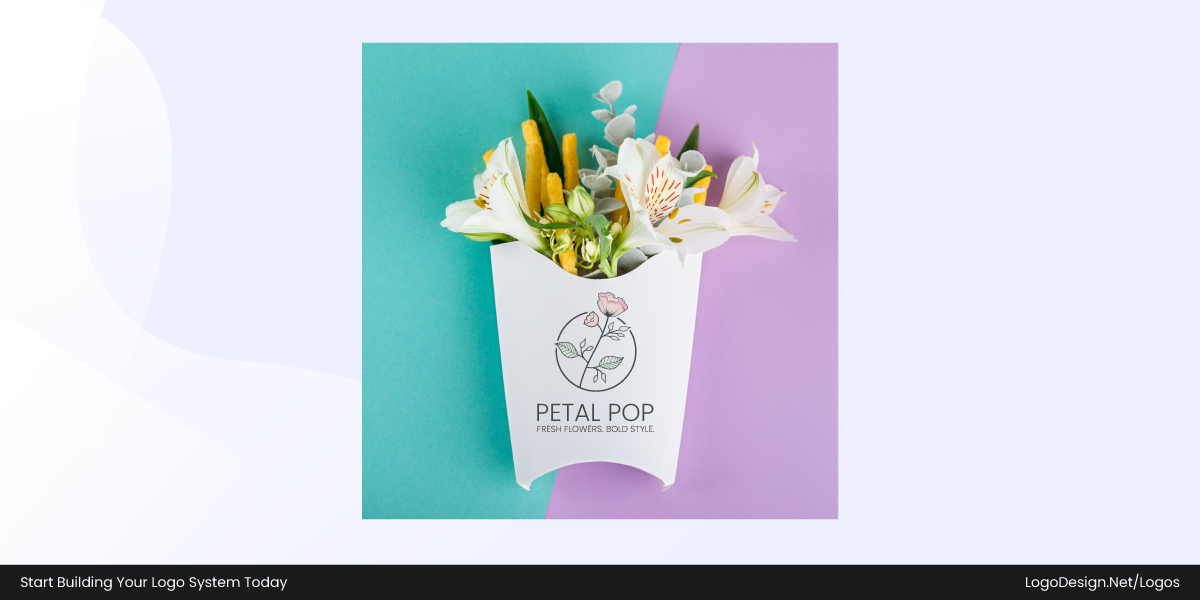
Finally, don’t leave your system on the screen. Test your logos in real-world situations—on mobile apps, social posts, website headers, or product packaging. This is where visual hierarchy matters most: make sure the primary logo stands out when it should, and secondary icons or submarks remain legible and effective. Testing ensures your system isn’t just pretty on paper, but functional everywhere your audience sees it.
So, a well-designed logo system might take a bit more planning upfront, but it pays off every time your brand shows up looking consistent, flexible, and professional—no matter the platform.
Common Pitfalls and How to Avoid Them
Are you designing a logo system? Here’s what not to do if you want your brand to stay clear, flexible, and memorable. Even experienced designers can trip up on these, but knowing them up front can save time and headaches.
• Overcomplicating Logo Variations
Sometimes less is more. Trying to create dozens of variations with tiny differences can confuse both your team and your audience. Every variation should have a clear purpose.
Master & Dynamic, the audio brand, initially had multiple logo orientations and icon treatments across product packaging and marketing. They simplified their system to a primary logo, a secondary wordmark, and a single icon for products and social media. The streamlined approach made their branding instantly more recognizable and reduced design errors.
• Inconsistent Application Across Platforms
A logo system only works if it’s applied consistently. Using different colors, spacing, or fonts in different contexts dilutes the brand’s identity.
Dribbble, the design community platform, once faced inconsistency in social media versus website headers. They established clear guidelines for spacing, icon size, and color, which created a cohesive look across all channels and strengthened recognition.
• Ignoring Legibility in Small Sizes
A logo that looks great on a poster might disappear on a mobile app or favicon. Every element—from text to submarks—needs to remain legible at all scales.
Behance, the creative portfolio platform, refined its mark to ensure readability across devices. They simplified the original wordmark and icon for app icons, social avatars, and small promotional items, ensuring the logo remained identifiable even at very small sizes.
The Future of Logo Systems: Flexible, Responsive, Alive
Imagine a logo that adapts to you, not the other way around. The logos of tomorrow aren’t fixed—they respond to context, screen size, and even user interaction. They’re no longer just symbols but part of the experience.
Take Netflix. Its primary logo stays iconic and recognizable, but in promos and special campaigns, the logo animates and shifts to match the theme of the show. From glowing outlines for sci-fi series to subtle transformations for comedies, Netflix shows that a logo can move and breathe without losing its core identity.
Here are a few Netflix Originals that treat the logo as part of the storytelling experience:
In several seasons of Stranger Things, the familiar red “N” animation appears with thunderous red skies and crackling lightning in the background, evoking the show’s eerie Upside Down theme. This turns an identity moment into a narrative cue that primes viewers for the show’s atmosphere.
For Witcher, a fantasy series, Netflix has used a custom logo sting that incorporates gloomy forest imagery, steel‑gray tones, and mood‑setting elements from the show’s world before the “N” appears, blending brand with genre.
Similarly, in the sci-fi title 3 Body Problem, a custom intro shows multi‑colored neon flares and orbiting glowing spheres surrounding the “N” as it forms, giving the brand mark an almost cosmic feel.
Each of these variations still uses Netflix’s core “N” symbol, but the way it’s presented changes to match mood, genre, and audience expectations.
Microsoft is another pioneer. Its classic four‑square window mark was introduced in 2012 to signal a shift toward a unified design language across devices and products. The logo’s evolution over time reflects changes in technology, platform needs, and interface design, all while staying recognizable. You can see several animated variations of Microsoft’s logo history here:
So, the next era of identity will be less about a single image and more about interaction and adaptability — logos that look and behave differently depending on where they appear, and that help brands feel alive in a crowded visual landscape.
Wrap It Up: Ready to Make Your Brand Unforgettable?
A single logo just can’t keep up anymore. Your brand needs a system that’s flexible, recognizable, and ready for anything—from tiny app icons to big billboards. Give your business the identity it deserves and make the design process easy and fun.
Try creating your logo today with LogoDesign.net’s logo maker.