Think about some of the world’s most recognizable luxury brands for a moment. What do names like Mercedes-Benz, Lamborghini, or Rolex instantly remind you of?
For many people, it is the sleek silver finishes, chrome textures, or gold detailing that create a sense of prestige before they even interact with the product itself. Have you ever wondered why metallic visuals feel more premium and attention-grabbing than ordinary flat designs?
Research in consumer psychology and visual branding suggests that reflective textures and metallic finishes are often associated with exclusivity, durability, and higher product value. In fact, studies on packaging and visual perception have shown that consumers are more likely to perceive metallic elements as “luxurious” and “high-quality” than standard matte finishes. This explains why metallic branding continues to dominate industries such as automotive, gaming, technology, jewelry, and fashion.
As brands compete for stronger visual recognition in digital spaces, metallic logos have become an effective way to add depth, sophistication, and realism without making a design overly complex. Before learning how to create a successful metallic logo, it is important to understand what a metallic logo actually is and what makes it visually distinctive.
What Is a Metallic Logo?
A metallic logo is a logo design that uses gradients, highlights, shadows, and reflective textures to imitate the appearance of real metal surfaces such as gold, silver, chrome, steel, or copper. Unlike flat logos that rely solely on solid colors, metallic logos add dimension and shine, making the design appear more dynamic and premium.
These logos are not usually made from actual metal in digital spaces. Instead, designers use visual techniques to simulate metallic finishes on screens, packaging, websites, and branding materials. Depending on the style, a metallic logo can look sleek and futuristic or elegant and luxurious.
For example, the Toyota logo is often rendered with a polished silver or chrome-like finish in branding visuals, reinforcing its association with engineering precision, reliability, and modern automotive technology.
On the other hand, luxury fashion house Prada frequently uses metallic gold tones in branding and product presentation to emphasize exclusivity, heritage, and high-end appeal.
It highlights that metallic styling is not limited to a single industry; it adapts to diverse branding needs while maintaining the same core purpose: enhancing visual impact and perceived value.
The Visual Appeal of Metallic Effects in Logo Design
Metallic logos continue to dominate modern branding because they tap into a principle of visual psychology: people naturally associate shine, reflection, and depth with value. Reflective surfaces tend to attract attention faster than flat colors because they create visual contrast, movement, and realism. As a result, metallic finishes often make logos feel more tangible, premium, and memorable—even on digital screens.
The strength of a metallic logo design comes from how realistically it interacts with light, shadow, and reflections. Unlike flat design styles that rely only on color contrast, metallic effects mimic real materials such as brushed aluminum, polished gold, chrome steel, and matte bronze. This creates a stronger sense of depth, realism, and sophistication.
Metallic logos feel dimensional because they simulate light behavior rather than simply applying color. When light hits a metallic surface, it creates the following:
- Bright highlights on raised edges
- Gradual shadow transitions
- Reflective gradients that shift with angle
- Contrast between illuminated and darker areas
Designers recreate these effects using gradients, highlights, and shadow layering. This is why metallic logos often appear three-dimensional even when they are flat vector designs.
What Makes a Surface Feel Metallic?
A metallic surface feels realistic when it accurately mimics how real metal reacts to light, contrast, texture, and tonal variation. The combination of reflections, highlights, shadows, and smooth surface transitions creates the illusion of depth and physical material rather than a flat graphic.
1. Reflection and Light Behavior
Metallic surfaces reflect light dynamically instead of appearing as a flat, uniform color. In logo design, this creates a sense of movement and dimensionality even when the mark itself is static. Polished metals produce sharp, high-contrast reflections, while brushed and matte finishes diffuse light more softly for a controlled, premium appearance.
Jaguar uses refined silver metallic logo treatments that rely on controlled reflections and precise lighting to reinforce speed, luxury, and engineered performance while maintaining strong clarity across different scales.
2. Contrast and Specular Highlights
Strong contrast between highlights and shadows is essential for metallic realism in logos. Specular highlights define polished surfaces, while deeper tonal areas create structure and separation within letterforms or symbols.
Bacardi applies metallic-inspired visual treatments with carefully balanced highlights that maintain elegance and depth without overpowering the logo or making it feel overly decorative.
3. Edge Definition and Surface Transitions
Metallic logos rely on clean edges and smooth transitions between light and shadow. Sharp edge highlights help define form, while gradual tonal shifts create the illusion of curvature and three-dimensional structure.
TriStar Arms uses precise metallic styling with controlled gradients and strong edge definition, reinforcing themes of engineering accuracy, durability, and mechanical strength within its identity system.
4. Color Temperature and Tonal Shifts
Metallic logo design rarely uses a single flat tone. Instead, it incorporates subtle colors that shift to enhance realism and emotional tone. Gold often includes warm undertones, while silver and chrome use cooler reflections to communicate modernity and technical refinement.
Corbellati uses refined metallic tonal variations in its visual identity to reinforce exclusivity and high-end craftsmanship without relying on excessive shine or overly bright gradients.
5. Texture and Material Realism in Logos
Texture adds authenticity to metallic logos by simulating real manufacturing processes such as brushing, polishing, or surface grain. Without texture, metallic effects can feel artificial or overly digital, especially at larger scales.
NLL uses darker metallic finishes and subtle brushed textures in its visual identity, creating a strong sense of weight, toughness, and durability while maintaining clarity and recognizability in fast-moving visual environments.
Types of Metallic Finishes in Logo Design
Different metallic finishes create different emotional and psychological responses in branding. The choice of metallic tone affects how a logo is perceived — whether it feels luxurious, technical, industrial, modern, or timeless. Successful metallic logo design relies on selecting a finish that aligns with the brand’s identity rather than applying metallic effects purely for decoration.
1. Chrome
Chrome is one of the most reflective metallic finishes used in logo design. Its sharp highlights and mirror-like reflections create a futuristic, engineered, and high-performance appearance. Chrome logos are commonly associated with automotive brands, gaming, technology, and performance-driven products because they communicate speed, precision, and innovation.
The highly polished surface creates strong contrast and dramatic reflections, making chrome visually striking in digital presentations and motion graphics. However, chrome effects can easily become outdated when overused with excessive beveling, lens flares, or unrealistic reflections. Modern branding tends to use cleaner gradients and more restrained lighting to avoid the overly “2000s” aesthetic common in older logo styles.
Chrome-inspired metallic visuals are often used in industries that want to appear advanced and cutting-edge, particularly in fintech, AI, and automotive branding.
Renault uses chrome-inspired metallic treatments in its automotive identity language to communicate precision engineering, futuristic mobility design, and advanced manufacturing systems across modern vehicle branding.
The Buccaneers use chrome helmets and logo finishes that amplify aggression and strength, reinforcing a high-impact sports identity built around power, competition, and visual dominance on the field.
Dungeons & Dragons uses metallic, fantasy-inspired logo styling that evokes armor, weaponry, and mythical craftsmanship, enhancing immersive storytelling and deep world-building aesthetics.
Chevrolet’s bowtie logo is often presented in chrome metallic finishes, reinforcing automotive strength, precision engineering, and durability, while the reflective surface enhances a premium, high-performance, and modern brand identity.
2. Gold
Gold is strongly associated with luxury, exclusivity, prestige, and heritage. It has long been used in branding for premium products, hospitality, jewelry, fashion, and lifestyle companies because it immediately suggests value and refinement.
Warm gold tones create a sense of richness and sophistication, while softer matte gold finishes feel more modern and understated. Many contemporary brands now avoid highly glossy gold gradients because they can appear overly decorative or outdated. Instead, muted or brushed gold tones are often preferred to create a cleaner, more timeless luxury aesthetic.
The Cheesecake Factory uses gold-inspired branding elements that communicate indulgence, a premium dining experience, and celebratory hospitality through warm, luxurious visual cues.
Georgia Tech uses muted gold as a core identity color to represent academic excellence, institutional prestige, and a long-standing tradition of engineering and research leadership.
Accor Group applies gold-inspired visual language across hospitality branding to signal global luxury standards, refined service experiences, and high-end travel environments.
Brighton Dome incorporates gold-toned identity accents that reflect cultural prestige, historic architecture, and artistic heritage, creating a refined visual connection to performance and tradition.
3. Silver
Silver is one of the most versatile metallic finishes in logo design. It feels clean, balanced, minimal, and technologically refined without appearing overly aggressive or flashy. Because of its neutrality, silver is often considered safer for timeless branding than highly reflective chrome or bright gold.
Silver works particularly well in technology, finance, SaaS, and corporate branding because it communicates professionalism and precision while maintaining a modern aesthetic. Cool gray tones and subtle blue undertones also help silver logos feel sleek and contemporary.
Many modern digital brands favor silver-inspired gradients and monochrome metallic systems because they scale well across interfaces and maintain readability without excessive visual effects.
MAN Truck & Bus uses silver-toned identity elements to communicate industrial reliability, engineering strength, and durable transport solutions built for heavy-duty performance.
Skyy Vodka incorporates silver-based minimal branding to express purity, clarity, and a modern, premium beverage identity focused on clean, contemporary aesthetics.
Atlético Dallas uses silver accents in its identity system to reinforce discipline, structure, and modern sports branding aligned with clarity and strong visual hierarchy.
One80 Zwolle uses clean, silver-inspired visual elements that emphasize clarity, structure, and modern identity design, creating a minimal yet professional aesthetic suited for contemporary branding environments.
4. Bronze and Copper
Bronze and copper finishes create a warmer, more vintage-inspired aesthetic compared to silver or chrome. These metallic tones often feel handcrafted, artistic, and heritage-driven, making them popular in boutique branding, hospitality, artisan products, and premium packaging.
Copper especially conveys an organic, creative personality due to its reddish undertones and softer, reflective qualities. Bronze, meanwhile, often communicates tradition, craftsmanship, and authenticity.
These finishes work best for brands that want to appear distinctive and human rather than highly technological or futuristic. They are commonly used in:
- Boutique product packaging
- Luxury cafés and restaurants
- Artisan and handmade brands
- Heritage-inspired identity systems
- Premium interior and lifestyle brands
Velkopopovický Kozel uses bronze-inspired tones to reinforce brewing heritage, traditional craftsmanship, and authentic beer-making culture rooted in long-standing brewing history.
Godiva uses warm gold-bronze tones in its visual identity to communicate indulgence, artisanal chocolate craftsmanship, and a luxurious confectionery experience centered on richness.
UPS uses bronze-brown metallic undertones in its branding system to reinforce its reliability in logistics, grounded operational strength, and consistent global delivery performance.
The Kentucky Bourbon Trail uses warm bronze and copper-inspired identity cues that reflect aged craftsmanship, heritage distilling traditions, and a rich cultural history tied to bourbon production.
5. Brushed Metal
Brushed metal creates a softer and more industrial form of metallic realism. Unlike polished chrome, brushed finishes diffuse light more evenly, reducing glare while maintaining texture and depth. This creates a more grounded, engineered, and professional appearance.
Brushed steel and gunmetal tones are widely used in cybersecurity, cloud infrastructure, industrial technology, and enterprise branding because they suggest reliability, durability, and technical sophistication.
Similarly, technology companies often use deep, steel-like tones to reinforce trust and the stability of their infrastructure. Cloud platform branding frequently incorporates brushed-metal color palettes to convey reliability without resorting to excessive visual decoration.
Firefox uses brushed-metal styling cues to reinforce speed, adaptability, and technical performance within a modern browser identity focused on clarity and responsiveness.
GSK incorporates brushed-metal visual language to communicate scientific precision, pharmaceutical reliability, and structured healthcare innovation across its global identity system.
Porsche uses brushed-metal finishes in its branding to express engineering excellence, precision manufacturing, and high-performance automotive design rooted in technical mastery.
Lloyds Bank uses brushed metallic cues to reinforce institutional stability, financial trust, and long-term reliability within a structured, professional identity system.
6. Matte Metallics
Matte metallic finishes have become increasingly popular in modern branding because they offer a more understated, timeless, premium look. Instead of relying on extreme reflections or glossy surfaces, matte metallics use softer highlights and reduced contrast to create sophistication through subtlety.
This approach feels cleaner, more contemporary, and less trend-dependent than traditional chrome-heavy metallic effects. Matte metallics are now widely used in:
- Luxury fashion branding
- Minimalist packaging
- Premium tech products
- High-end cosmetics
- Modern hospitality branding
The growing preference for matte metallics reflects a broader shift in branding toward restrained luxury. Rather than trying to appear flashy, modern premium brands often focus on controlled lighting, refined textures, and minimal surface reflections to create a more sophisticated visual identity.
EDAG uses matte metallic styling cues to communicate advanced automotive engineering, technical innovation, and understated industrial design excellence across modern mobility systems.
Betano uses a bold, matte, metallic-inspired orange tone with a sharp, geometric cut in the wordmark, creating controlled energy, modern digital betting aesthetics, and a structured, tech-driven identity system focused on speed and interaction.
Aston Villa FC uses a refined shield-shaped crest featuring a gold lion on a claret-and-blue background, with subtle metallic gold accents that enhance its premium sports identity, balancing historic heritage with a modern, streamlined football branding system.
Dove Chocolate uses a flowing, script-style wordmark resembling melted chocolate ribbons, paired with rich brown tones and soft gradients that communicate smooth texture, indulgence, and a premium confectionery experience centered on understated luxury.
Industries Where Metallic Logos Perform Best
Metallic logos are not used at random; they are strongly tied to industries where perceptions of quality and trust directly influence buying decisions.
• Luxury & Fashion
Luxury and fashion brands often incorporate metallic logos to convey exclusivity, craftsmanship, and heritage. Gold and subtle metallic details on the logo enhance the perceived value of luxury items, reinforcing their premium status. These brand identities typically feature refined typography, minimalist layouts, and balanced visual elements to showcase sophistication and timeless elegance.
Forest Essentials uses heritage-inspired branding with gold-accented packaging aesthetics, communicating Ayurvedic luxury, natural purity, and traditional craftsmanship within a refined premium skincare identity system.
BGN Workshop uses a refined, boutique-style visual identity with minimal typography and premium styling cues, reflecting handcrafted fashion branding where subtle metallic influences suggest exclusivity and artisanal craftsmanship.
Dove uses a soft, elegant dove silhouette with smooth, refined typography and subtle gold-toned variations across packaging, reinforcing purity, care, and understated premium positioning within the personal luxury and skincare segment.
Rolex uses its iconic gold crown emblem above a refined wordmark, reinforcing prestige, precision engineering, and a timeless luxury identity, with metallic gold symbolism that conveys exclusivity and global status recognition.
• Automotive Industry
Automotive brands use metallic logos to communicate engineering precision, durability, and performance. Chrome and brushed-metal aesthetics reinforce mechanical strength and innovation, while polished finishes enhance perceptions of speed, reliability, and advanced manufacturing quality in high-performance vehicle branding systems.
Buick uses a signature three-shield emblem with silver metallic gradients that reflect automotive heritage, premium positioning, and engineering refinement, where chrome-like finishes reinforce durability, trust, and long-standing mechanical precision in luxury vehicle branding.
Arash Cars uses sharp, high-performance visual branding cues aligned with supercar identity language, with metallic styling reinforcing speed, engineering excellence, and aggressive automotive design.
Aaglander uses traditional automotive branding with strong, material-inspired visual identity cues that reflect craftsmanship, durability, and heritage-driven engineering aesthetics often associated with premium vehicle manufacturing.
Proton’s branding emphasizes structured automotive identity design, where a metallic-inspired visual language reinforces reliability, modern engineering, and accessible, performance-driven vehicle production.
• Gaming & Esports
Gaming and esports brands use metallic logos to create aggressive, futuristic, and competitive gaming identities. Steel, chrome, and neon metal combinations convey speed, intensity, and digital dominance, making them highly effective in visually saturated, high-energy entertainment environments.
Gameloft uses bold, modern logo styling with sleek digital aesthetics, where metallic-inspired branding cues reinforce in novation, mobile gaming performance, and immersive entertainment experiences.
World of Warcraft uses highly detailed fantasy-metal typography in its logo system, evoking armor, ancient craftsmanship, and legendary world-building through strong metallic visual storytelling.
League of Legends uses gold-toned, prestige-driven branding elements that reinforce competitive ranking systems, esports prestige, and high-skill digital sports identity aesthetics.
Standard de Liège uses strong, emblem-based sports branding, with metallic shield-inspired aesthetics that reinforce strength, tradition, and a competitive football identity within European sports culture.
• Technology & Electronics
Technology brands use metallic logos to communicate innovation, precision, and engineering excellence. Silver and brushed-metal aesthetics dominate this space because they feel minimal, modern, and scalable across digital platforms while reinforcing trust and technical sophistication.
Xiaomi uses a clean, modern logo system where subtle metallic-inspired presentations in product branding reinforce innovation, smart technology ecosystems, and accessible premium electronics.
Rowenta uses sleek, product-focused branding, where brushed-metal aesthetics reinforce German engineering quality, household appliance reliability, and functional, modern design.
LG uses its circular “face” emblem with a red metallic-like finish in many brand applications, where subtle shading and reflective treatment create a dimensional effect that reinforces innovation, electronics precision, and a human-centered technology identity.
Wahl Clipper Corporation uses a bold black wordmark, often paired with metallic silver product finishes, reflecting industrial grooming precision, durable engineering, and a functional identity rooted in professional-grade performance and manufacturing reliability.
• Chocolate and Confectionery
Chocolate and confectionery brands use metallic logos to communicate indulgence, richness, and a premium sensory experience. Gold and warm metallic tones enhance perceptions of luxury, taste quality, and handcrafted detail, making products feel more desirable and gift-oriented.
Magnum uses a bold serif wordmark with gold-toned metallic accents and a signature heart-shaped “o” detail, reinforcing indulgence, luxury dessert positioning, and a rich, sensory chocolate experience.
Cadbury uses a flowing gold script wordmark with smooth, ribbon-like typography, sometimes in purple, often paired with gold packaging accents in premium applications to reinforce indulgence, heritage, and rich confectionery identity.
Lindt uses a gold seal emblem with refined serif typography, where polished metallic gold styling reinforces Swiss craftsmanship, premium chocolate quality, and a luxurious confectionery experience centered on refinement.
Teuscher uses a gold metallic wordmark with refined serif-style lettering, featuring subtle reflective highlights that reinforce Swiss luxury, artisanal chocolate craftsmanship, and a premium confectionery identity centered on exclusivity and elegance.
• Hospitality
Hospitality brands use metallic logos to communicate luxury, trust, and premium guest experience. Gold and brushed-metal tones are commonly used to reflect elegance, service quality, and global consistency in high-end hotels and travel environments.
InterContinental uses a gold serif wordmark with a circular crest emblem, where subtle metallic gold detailing reinforces global luxury positioning, heritage-inspired elegance, and a premium international hospitality identity focused on exclusivity.
Conrad Hotels uses a minimalist serif wordmark paired with a gold key emblem, where metallic gold accents reinforce exclusivity, refined luxury travel, and high-end hospitality experiences centered on elegance.
Arosa Hotels uses an elegant gold metallic wordmark with flowing serif typography and reflective gold gradients, reinforcing luxury hospitality, exclusivity, and a refined guest experience centered on sophistication and premium comfort.
Sheraton uses a circular “S” emblem with a segmented geometric structure, often rendered in metallic silver or grey, reinforcing trust, consistency, and a refined global hotel service identity.
The Core Principles of Timeless Metallic Logo Design
Metallic effects can make a logo feel premium, refined, and visually striking, but timeless metallic branding is built on strong design fundamentals rather than decorative styling alone. The most successful metallic logos maintain clarity, balance, and recognizability even when the metallic treatment is removed. A polished metallic finish should enhance the identity rather than compensate for weak structure or excessive visual effects.
1. Simplicity First
Timeless metallic logos always begin with a strong and recognizable foundation. Before adding gradients, reflections, or textures, the logo itself must already feel balanced, scalable, and visually clear. Simplicity allows metallic effects to feel refined instead of overwhelming.
• Why Strong Logo Structure Matters Before Effects
A metallic finish cannot fix a poorly designed logo. Strong metallic logos begin with clear geometry, balanced proportions, and recognizable forms that work even in flat black-and-white versions. If the underlying structure lacks clarity, metallic gradients and reflections often make the design feel even more cluttered.
Timeless metallic logos rely on solid visual hierarchy and restrained composition before any surface treatment is introduced.
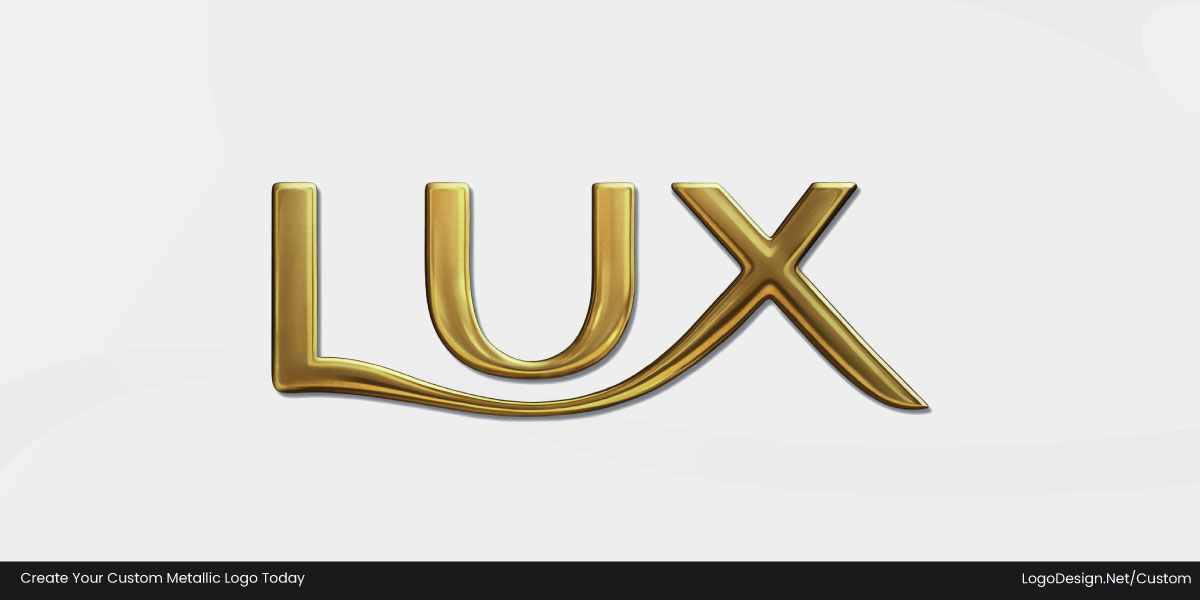
Lux uses an elegant gold metallic script wordmark with flowing curves and soft reflective gradients, where the metallic finish enhances the already distinctive typography without overpowering the logo’s clean luxury-focused structure.
• Metallic Treatment Should Enhance, Not Define
Metallic rendering should support the logo rather than become its entire identity. When reflections, chrome gradients, or bevel effects dominate the composition, the design becomes dependent on temporary visual trends instead of maintaining long-term recognizability.
The strongest metallic logos remain identifiable even without reflective styling because the typography structure already makes them feel distinctive and well-designed.
Breitling uses a polished metallic “B” emblem with wing-inspired geometry and chrome-gold rendering, where the metallic treatment enhances precision, aviation heritage, and luxury watch craftsmanship without defining the entire identity.
• Importance of Silhouette Recognition
A strong silhouette helps metallic logos remain recognizable across different mediums and viewing distances. Clean outer shapes improve readability and prevent reflective details from visually blending together.
Simple silhouettes also reproduce more effectively across websites, signage, packaging, and mobile interfaces, where metallic effects may behave differently depending on lighting and material conditions.
Patek Philippe uses a symmetrical Calatrava cross emblem with balanced proportions and clean outer contours, allowing metallic gold rendering to remain highly recognizable while reinforcing heritage luxury and timeless watchmaking craftsmanship.
2. Strong Typography
Typography plays a central role in metallic logo design because highlights, shadows, and reflections interact directly with letterforms. The weight, spacing, and proportions of typography determine whether metallic effects appear refined or visually unstable.
• Serif vs Sans Serif for Metallic Logos
The choice between serif and sans-serif typography significantly changes how metallic finishes are perceived. Each style creates a different emotional and visual impression.
• Luxury Serif Applications
Serif typography often works well with gold, bronze, and matte metallic finishes because refined strokes and traditional proportions naturally communicate heritage, craftsmanship, and exclusivity.
Luxury hospitality, jewelry, premium beverages, and fashion brands frequently use serif metallic logos to create a timeless and elegant appearance rooted in sophistication.
Swarovski uses a refined silver swan emblem with smooth metallic rendering and elegant serif typography, where subtle chrome-like highlights reinforce crystal precision, luxury craftsmanship, and a clean premium jewelry aesthetic.
• Modern Sans-Serif Applications
Sans-serif typography creates a cleaner and more contemporary metallic aesthetic. Silver, chrome, and brushed-steel finishes pair especially well with geometric sans-serif structures because they reinforce precision, innovation, and minimalism.
Technology, automotive, and fintech brands often prefer sans-serif metallic logos for their clarity, scalability, and modern visual language.
GMC uses bold, geometric sans-serif typography with chrome-metallic rendering and beveled-edge highlights, creating a strong industrial appearance that reinforces durability, engineering precision, and modern automotive performance branding.
• Weight and Proportion
The thickness and balance of typography directly influence how metallic effects interact with the logo surface. Proper proportions help reflections appear smooth and controlled rather than distorted or uneven.
• Avoiding Thin Strokes That Break Under Effects
Extremely thin typography can become difficult to render when metallic highlights and gradients are applied. Reflective effects often reduce contrast in narrow strokes, making the logo appear fragile or inconsistent at smaller sizes.
Slightly heavier letterforms provide better surface area for controlled highlights while maintaining readability across both print and digital mediums.
Grand Theft Auto V uses thick geometric lettering with layered silver metallic gradients and outlined strokes, allowing reflective effects to remain clear, controlled, and highly legible across digital promotional environments and merchandise.
• Optical Balance in Metallic Rendering
Metallic effects naturally increase visual complexity, so balanced proportions become even more important. Uneven stroke widths or exaggerated contrast can create inconsistent reflections that make some parts of the logo feel visually heavier than others.
Well-balanced typography helps metallic rendering feel smooth, stable, and visually controlled.
Shelby combines balanced metallic typography with its iconic cobra emblem, using controlled chrome highlights and proportional letterforms that maintain optical stability while reinforcing high-performance automotive heritage and precision engineering aesthetics.
• Letter Spacing and Breathing Room
Spacing has a major impact on how sophisticated metallic logos appear. Proper breathing room allows highlights and reflections to remain clean and visually separated.
• How Spacing Contributes to Elegance
Generous spacing allows metallic surfaces to breathe without making the logo feel crowded. Tight letter spacing can cause reflections and highlights to visually merge together, reducing clarity and sophistication.
Carefully controlled spacing creates a calmer and more refined appearance while helping metallic details remain balanced throughout the composition.
Rick Owens uses elongated typography with generous spacing and minimalist composition, where subtle metallic applications feel restrained and luxurious while preserving readability, elegance, and the brand’s signature avant-garde fashion identity.
3. Controlled Detail
Timeless metallic logos use restraint instead of excessive decoration. Subtle detail creates realism and sophistication, while overly complex rendering often makes logos feel dated or artificial.
• Why Excessive Reflections Create Visual Noise
Overly reflective logos often feel unrealistic because they rely on dramatic chrome effects, sharp flares, or aggressive lighting transitions. Excessive reflections distract from the identity itself and reduce long-term usability.
Modern metallic branding typically favors softer highlights and restrained gradients that feel more natural and believable.
NGOC THAM uses a highly restrained gold metallic wordmark with minimal gradients and clean serif typography, allowing subtle reflective details to communicate refinement without excessive chrome effects or unnecessary visual complexity.
• Reducing Unnecessary Bevels and Gradients
Reducing Unnecessary Bevels and GradientsHeavy beveling and layered gradients were common in older metallic logo trends, but they can quickly make a design feel outdated. Excessive surface effects also reduce flexibility across different mediums and printing methods.
Simpler metallic rendering creates cleaner branding that adapts more effectively across both digital and physical applications.
Etihad Airways uses angular gold typography with restrained metallic gradients and geometric precision, creating depth through subtle tonal transitions rather than heavy beveling, exaggerated reflections, or artificial three-dimensional styling techniques.
• Designing for Clarity at Small Sizes
Metallic logos must remain legible when scaled down for packaging, mobile interfaces, or social media icons. Fine reflections and intricate textures often disappear at smaller sizes, making simplification essential.
Timeless metallic logos prioritize clarity first, using minimal surface detail while preserving depth through controlled contrast and tonal variation.
Newcastle Gold Buyers uses a simplified metallic gold wordmark with restrained shading and minimal reflective detail, maintaining strong readability and clarity even at smaller sizes in digital and print applications.
4. Consistency of Light Source
Realistic metallic rendering depends heavily on believable lighting behavior. Consistent highlights and shadows help metallic surfaces feel physically accurate instead of digitally artificial.
• Importance of Believable Lighting
Metallic realism relies on how convincingly light interacts with the surface. Highlights and shadows should follow a logical direction that reflects how real metal responds to light.
When lighting appears inconsistent or random, the metallic effect quickly loses realism and visual cohesion.
History Channel uses a metallic gold “H” with controlled directional lighting and consistent shadow placement, allowing the logo to feel dimensional and realistic while maintaining clean readability across broadcast and digital environments.
• Directional Consistency Across the Logo
A single consistent light source helps maintain harmony across typography, symbols, and supporting elements. Highlights should follow the same directional angle throughout the composition to create structural consistency.
Consistent lighting also improves realism without requiring excessive rendering complexity.
Lamborghini uses consistent gold metallic lighting across its bull emblem and shield border, where unified highlights and shadow direction create a cohesive, premium appearance inspired by luxury automotive craftsmanship and performance engineering.
• Maintaining Realism Without Overcomplication
Subtle lighting often creates a more premium appearance than dramatic reflections. Small tonal shifts and restrained highlights can communicate metallic material effectively without overwhelming the overall design.
The goal is to create realism through simplicity rather than excessive visual effects.
S.S. Lazio uses restrained metallic gold detailing within its eagle crest, relying on subtle tonal shifts and controlled highlights to create realism without excessive chrome reflections or exaggerated three-dimensional rendering effects.
5. Contrast and Depth
Depth is one of the defining characteristics of successful metallic logos. Controlled contrast and tonal variation help create the illusion of polished material without relying on exaggerated 3D effects.
• Using Subtle Tonal Variation
Metallic surfaces rarely consist of one flat tone. Slight tonal variation helps create realism while maintaining a clean and refined appearance.
Gold surfaces may contain amber and bronze undertones, while silver and chrome often feature cool gray or blue reflections that enhance dimensional depth.
Gamer.ru uses subtle silver-gray tonal variations across its geometric typography, where controlled metallic shading creates depth and realism while maintaining a clean digital appearance without overwhelming reflective complexity.
• Edge Highlights vs Center Gradients
Metallic logos often feel more realistic when highlights are concentrated along edges or raised surfaces rather than evenly distributed across the entire design.
Controlled edge highlights create the illusion of polished material while preserving central readability and visual balance.
The Dallas Stars uses metallic silver edge highlights around its angular star emblem and typography, concentrating reflections along the outer contours to create polished depth while preserving central clarity and strong sports-brand recognition.
• Creating Depth Without Fake 3D Distortion
True metallic realism comes from controlled lighting and tonal balance rather than exaggerated 3D extrusion effects. Inflated bevels, distorted shadows, and unrealistic perspectives can quickly make logos feel dated.
Timeless metallic logos create depth through restrained gradients, subtle transitions, and believable material behavior rather than dramatic visual gimmicks.
Get smarter responses, upload files and images, and more.
The UCF Knights use layered gold metallic gradients with restrained shadow depth and controlled tonal transitions, creating dimensional realism while avoiding exaggerated extrusion effects commonly associated with outdated sports logo rendering styles.
A Step-by-Step Guide to Creating a Metallic Effect
This section walks through the early foundation stage of designing a metallic logo. The key idea here is simple: before adding shine, reflection, or other effects, you need to understand how real metal behaves and structure your design to support those effects.
Step 1: Using Inspiration Photos
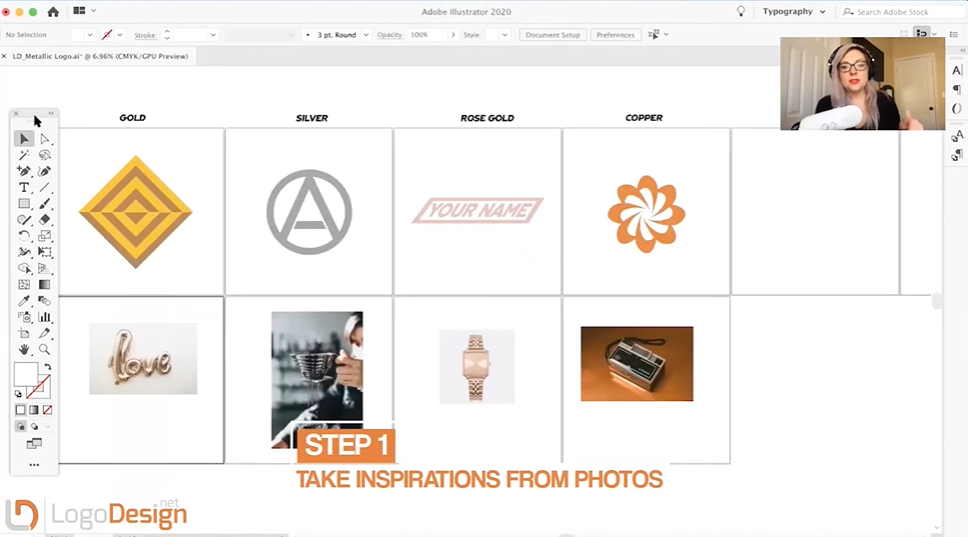
Before touching any design tools, start by collecting real-world reference images of different metals. This step is often overlooked, but it’s what gives a metallic logo a realistic and believable finish.
Different metals behave differently under light, so inspiration helps you understand:
- How light reflects on polished vs. brushed surfaces
- Where highlights naturally appear
- How shadows form based on surface curves
- The overall tone and mood of each metal type
For example:
- Gold reflects warm, soft highlights
- Silver tends to have cooler, sharper reflections
- Copper has uneven, warm reflections with a slightly rustic feel
These observations directly influence how you shape your logo. Without this step, metallic effects can look flat or artificial instead of realistic.
Step 2: The Groundwork (Base Design Setup)
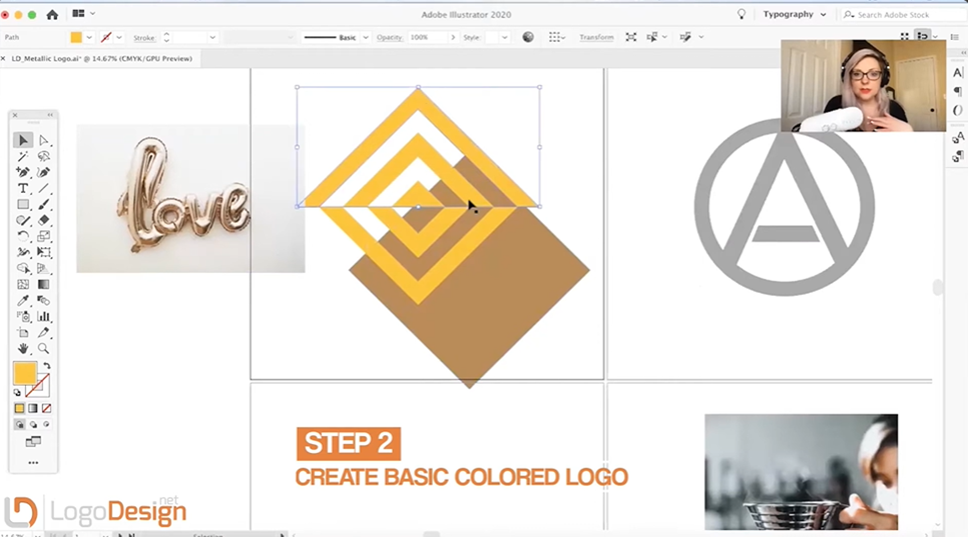
Once you understand your reference material, the next step is to build the foundation of your logo.
Start simple, focus only on shape and base color.
Use basic color directions like:
- Gold logos: yellow and warm orange tones
- Silver logos: neutral greys and cool tones
- Rose gold: soft pink with warm undertones
- Copper: orange mixed with muted red or brown tones
At this stage, avoid adding shine or effects. The goal is to create a clean and structured base that will support the metallic transformation later. Think of it as building the “form” before adding surface texture.
Step 3: Dividing the Design
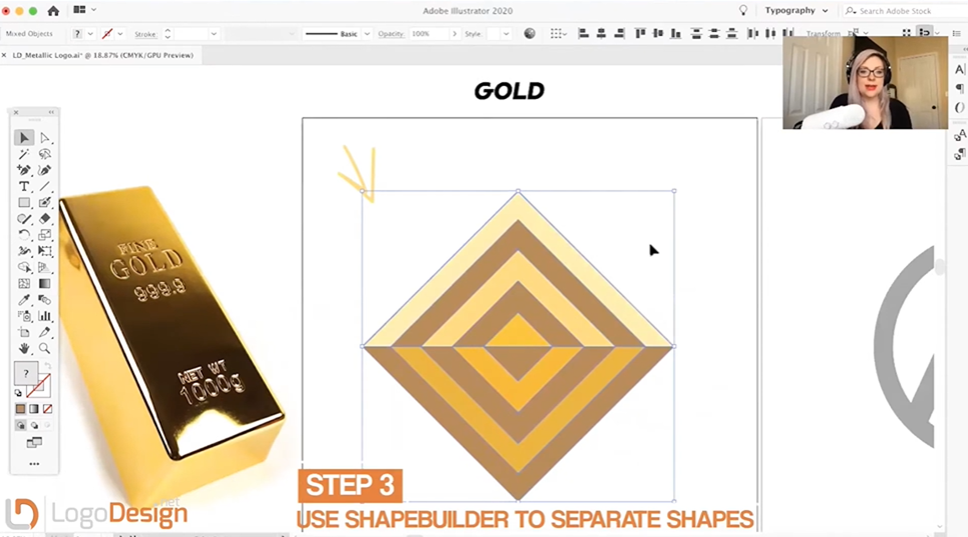
After your base design is ready, the next step is organizing the structure into editable parts. This is important because metallic effects often require different layers for light, shadow, and reflection control.
Break your design into separate elements, such as:
- Main logo shape
- Background or shadow layer
- Accent or highlight sections
This separation allows you to adjust each part individually instead of affecting the entire logo at once. For example, if you want to deepen the shadow on only the background layer, you can do that without disturbing the metallic shine on the main shape.
In most design tools, you can accomplish this by selecting shapes with the shape-building tool, separating them into individual layers or objects, or merging them using a pathfinder tool if a single unified shape is needed. There are no strict rules; the structure depends on the complexity or layering of your logo design. The key is to stay organized: well-structured layers make it simpler to add realistic metallic effects later.
Step 4: Setting the Light Source and Applying Colors
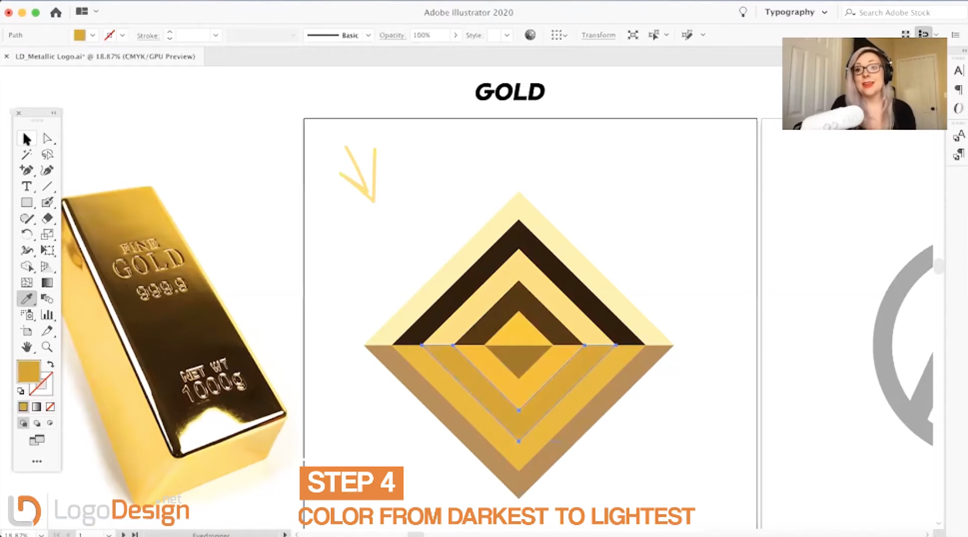
Now that your design elements are separated, the next step is deciding where the light is coming from. This is one of the most important parts of creating a realistic metallic effect because metal reacts heavily to light direction.
Select a consistent light source, such as top left, top right, center, or a side angle, before applying gradients or highlights. Once chosen, ensure all highlights and shadows on the logo align with that same direction. This consistency maintains a realistic metallic appearance rather than a random one.
• Build the Gradation Properly
Metallic surfaces rely on smooth transitions between light and dark tones. The areas closest to the light source should always be the brightest, while the areas farther away should gradually become darker.
A simple approach is:
- Lightest tones near the light source
- Mid-tones in the center
- Darkest tones on the opposite side
This gradual transition creates the reflective illusion that metallic logos are known for.
• Pull Colors From Inspiration Images
Instead of guessing colors manually, use the color picker tool to sample tones directly from your inspiration photos. This helps create more natural-looking metallic shades because real metals contain subtle variations that are difficult to recreate from memory alone.
For example:
- Gold often includes soft creams, warm yellows, and deep amber tones
- Silver may contain cool greys, whites, and blue-grey shadows
- Copper usually mixes orange, reddish-brown, and muted bronze shades
Adding these natural variations prevents the logo from looking flat or overly artificial.
• Creating Background Contrast
If your logo has a background shape or shadow, add gradients there as well, but reverse their relation to the foreground.
For example, a bright highlight in the foreground should contrast with a darker background. Darker edges in the foreground should blend smoothly into lighter background tones. This opposite contrast enhances the metallic surface’s visibility and increases the sense of depth.
• Zoom Out Frequently
A simple but effective trick during this stage is to regularly zoom out and check the overall effect. Metallic designs may look detailed up close, but what matters most is whether the reflections and depth still feel convincing at normal viewing size.
If the shine disappears or the gradients look uneven from a distance, adjust the contrast before moving forward.
Step 5: Using the Gradient Tool
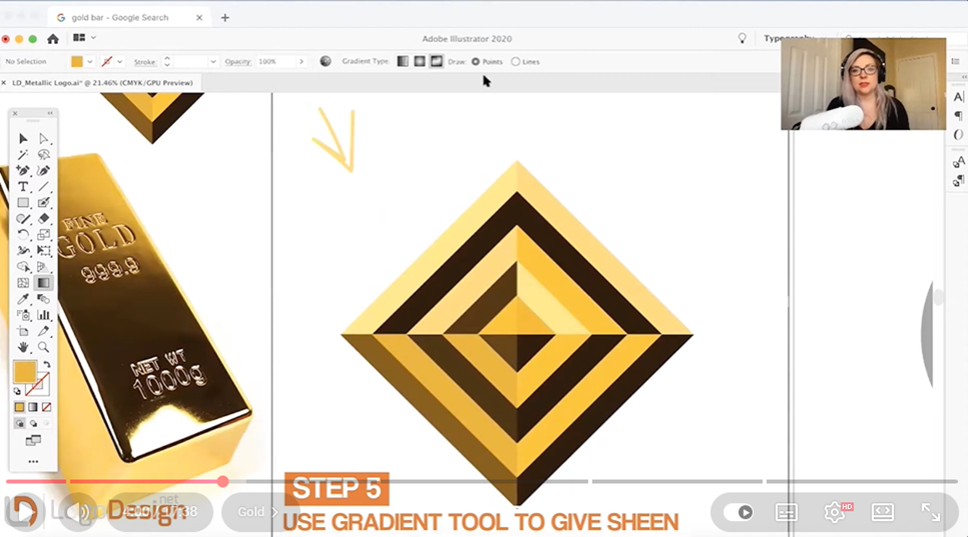
Once the lighting and colors are planned, it’s time to refine the metallic effect using gradient tools.
For a softer and more natural finish, many designers prefer using a freeform gradient instead of a standard linear gradient. Freeform gradients allow highlights and shadows to flow more organically across the surface, which makes the metal appear less rigid or manufactured.
• Using Freeform Gradient
To apply a freeform gradient, start by selecting the shape you want to modify. When you click on it, small editable points will appear. Position these points to create your desired highlights and reflections.
For realistic effects, use lighter shades of the metal color and add white tones sparingly for more intense highlights. Remember to gradually darken the colors as they move away from the light source. This layering technique will give you smoother and more convincing reflections.
• Using Radial Gradient for Rounded Designs
For circular or curved logo elements, a radial gradient often works better because it naturally follows rounded surfaces.
This is especially useful for:
- Circular badges
- Emblems
- Rounded icons
- Coin-style metallic logos
Radial gradients help create the illusion that light is wrapping around the object instead of hitting it flatly.
• Adding Depth and Shadow
To enhance realism further: add darker shades around the background edges, include subtle shadow gradients behind the main shape, and blend transitions smoothly to prevent harsh edges.
When designing a beveled silver logo, consider manually adding extra curves, edge shadows, or reflective lines not present in the original shape. These additional details help mimic the appearance of raised metal surfaces.
• Save a Backup Version
Before making major refinements, duplicate your design and store a backup copy elsewhere on the artboard. Metallic effects often require multiple adjustments, and having a saved version prevents you from losing earlier progress if something goes wrong.
Step 6: Final Touches
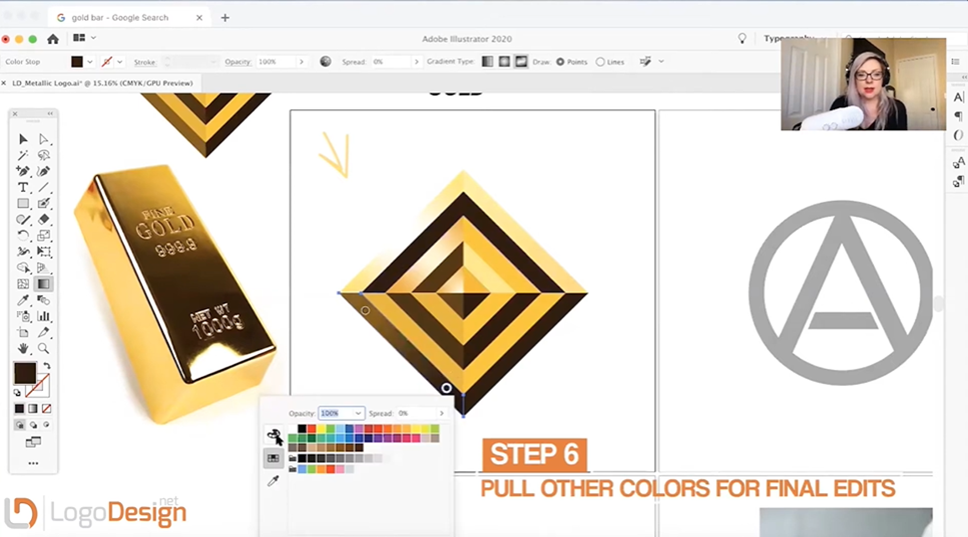
At this stage, the metallic effect is mostly complete. The final step is refining the smaller details that make the logo feel polished and professional.
• Add Highlight Lines
Thin white highlight lines can help emphasize areas where the metal appears to curve or push forward. These highlights increase contrast and make the reflective effect more noticeable.
You can experiment with:
- Sharp geometric highlights for a modern look
- Softer natural strokes for a more organic finish
- Thick or thin lines, depending on the logo style
The key is subtlety; too many highlights can make the design look overly artificial.
• Apply a Subtle Drop Shadow
A subtle drop shadow can distinguish the logo from the background and create a gentle floating appearance. This is especially effective in mockups, website headers, and presentation visuals. Keep the shadow soft, with low opacity, and lightly blurred. The aim is to add depth without overshadowing the metallic finish.
Designing Metallic Logos for Different Mediums
Metallic logos need to be adapted carefully across different mediums because lighting, material, and scale directly affect how metallic effects are perceived. A finish that looks premium in digital renderings may fail in print or embroidery if not simplified correctly. The goal is to preserve the sense of depth, contrast, and premium quality while ensuring clarity and reproduction accuracy in every context.
1. Websites
On websites, metallic logos are typically enhanced with controlled lighting, gradients, or dark UI backgrounds to emphasize depth. Digital environments offer greater flexibility, but excessive reflection or chrome effects can reduce readability and make the design feel outdated.
Metallic web logos work best when used subtly in headers, hero sections, or dark-themed interfaces where contrast can enhance the sense of premium branding without overwhelming the user experience.
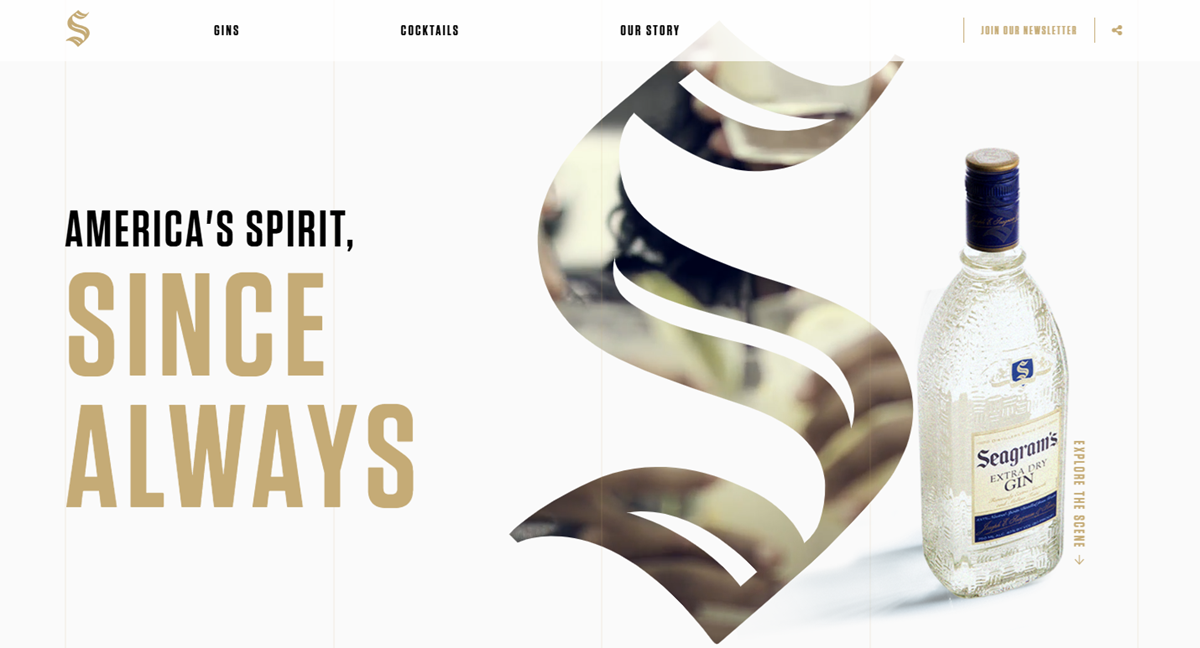
Seagram’s Gin uses a refined gold seal-style emblem in the website header and footer, where subtle metallic detailing reinforces heritage branding, premium distilled craftsmanship, and a consistent luxury identity across the digital interface.
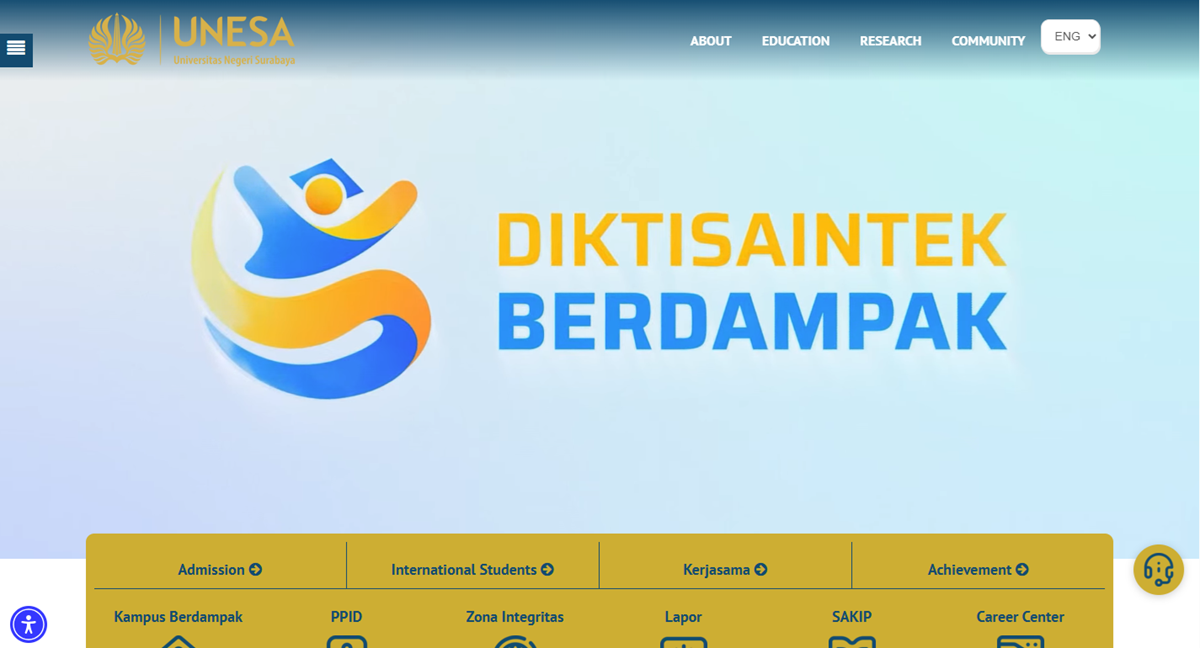
UNESA integrates a gold-toned institutional emblem into its website navigation and header, paired with deep blue UI accents that enhance contrast, reinforcing academic authority, tradition, and a structured digital identity system.
2. Packaging
Packaging is one of the strongest applications for metallic logos because physical materials allow real foil, embossing, and reflective inks. Gold and silver finishes are commonly used to increase shelf visibility and communicate premium product quality.
On packaging, metallic logos benefit from tactile effects like stamping or raised textures, which enhance perceived value and make the product feel more exclusive and gift-worthy.
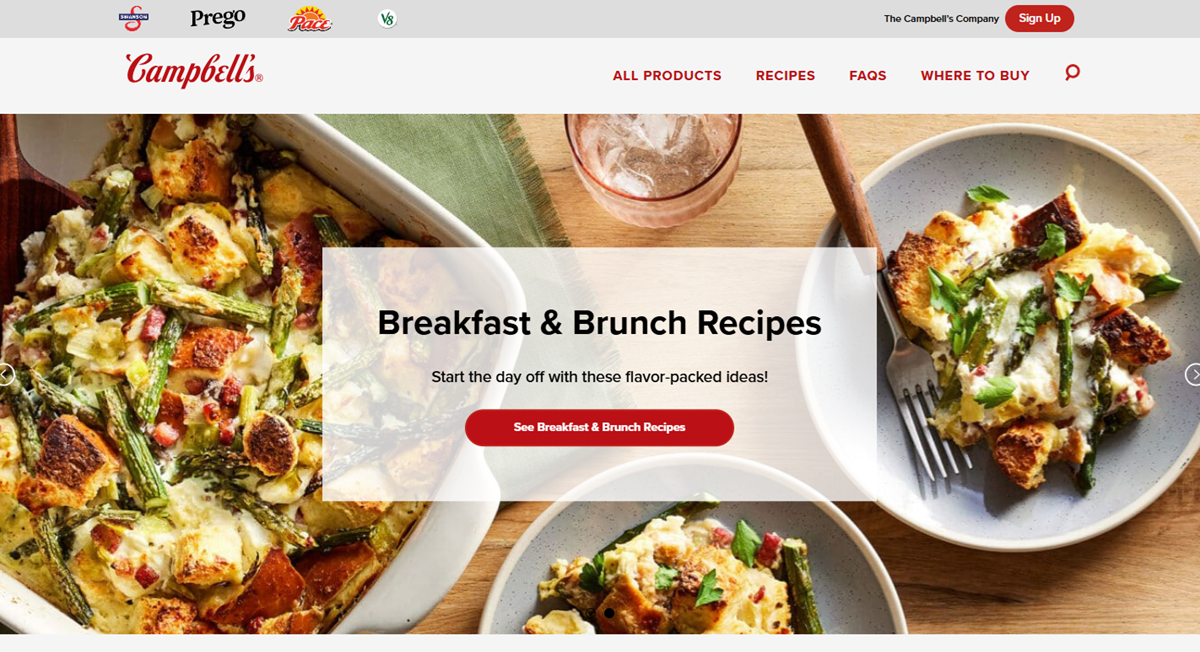
Campbell’s Soup uses a gold, metallic medallion-style emblem on its soup cans, where reflective detailing contrasts with bold red-and-white packaging, enhancing shelf visibility and reinforcing heritage, trust, and collectible brand appeal.
Merci uses an embossed gold metallic wordmark on packaging, where reflective foil stamping enhances gifting perception, emotional warmth, and premium confectionery positioning through tactile luxury and refined European chocolate branding aesthetics.
3. Signage
In signage, metallic logos rely heavily on material choice such as brushed steel, acrylic overlays, or backlit metal finishes. Lighting conditions play a key role in how reflections appear throughout the day.
Well-designed metallic signage creates strong brand presence at scale, especially in retail stores, hotels, and corporate buildings where visibility and long-distance recognition are critical.
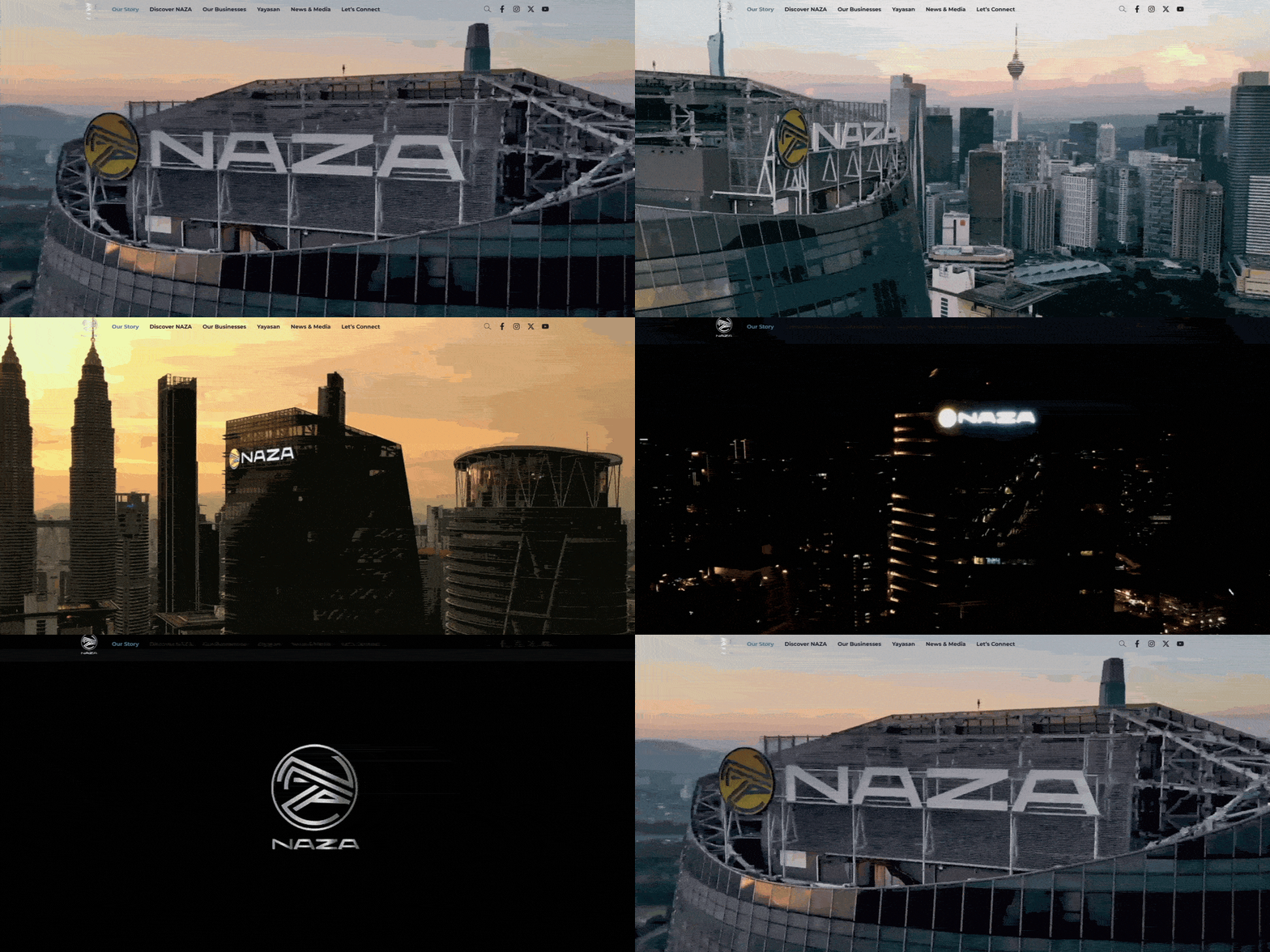
Naza uses large-scale silver metallic signage mounted directly onto the building façades, where reflective chrome-like lettering enhances corporate visibility, automotive sophistication, and premium commercial presence through clean industrial material finishes.
ATAL Ogrody Andersa incorporates gold leaf-inspired geometric forms from the original logo throughout its signage and wayfinding system, creating cohesive architectural branding with warm metallic accents across floors, directional panels, and environmental graphics.
4. Business Cards
Business cards use metallic logos through foil stamping, embossing, or spot UV finishes to create a premium tactile experience. The reflective detail helps differentiate the card from standard print materials.
Because business cards are handled closely, metallic effects here work best when minimal and precise, reinforcing professionalism without overwhelming the overall design composition.
Haya Coffee project on Behance uses a subtle gold metallic wordmark embossed onto deep burgundy, velvet-inspired business cards, where restrained foil detailing enhances tactile luxury, warmth, and premium café branding without overpowering the minimalist layout.
The Drawing Room Bar Bar uses embossed gold metallic typography across rich purple, emerald, and burnt-orange business cards, where consistent foil detailing creates an elegant hospitality identity rooted in sophistication and upscale nightlife branding.
5. Product Labels
Product labels use metallic logos to attract attention through reflection and contrast, especially in competitive retail environments. Foil accents help highlight key branding elements and improve shelf appeal.
Metallic effects on labels must remain legible at small sizes, making controlled application essential for maintaining both premium perception and functional clarity on packaging surfaces.
Schweppes uses metallic silver and gold label finishes across cans and bottles, where reflective typography and embossed crest details enhance shelf visibility while reinforcing heritage, carbonation energy, and premium beverage positioning.
Amstel Light uses gold metallic label accents with reflective borders and medallion-inspired detailing, creating strong contrast against the white packaging while reinforcing imported premium beer identity and refined visual recognition.
Common Mistakes That Make Metallic Logos Look Cheap
Metallic logos can quickly lose their premium appearance when effects are overused or applied without structure and consistency. The most common mistakes usually happen when designers prioritize visual tricks over strong logo fundamentals and real-world usability.
1. Excessive Bevel and Emboss Effects
Heavy bevels and inflated embossing often make metallic logos feel outdated and artificial rather than premium. Excessive 3D depth can create plastic-looking surfaces, distorted letterforms, and unrealistic shadows that reduce sophistication and clarity, especially at smaller sizes.
2. Random Gradient Usage
Metallic gradients must follow believable lighting behavior. When gradients shift randomly without a consistent light source, the logo loses realism and visual balance. Abrupt tonal transitions and decorative color shifts often make metallic surfaces feel inconsistent and visually confusing.
3. Overly Complex Reflections
Too many reflections can overwhelm the logo and create unnecessary visual clutter. Aggressive chrome effects, mirrored surfaces, and sharp reflective streaks often distract from the identity itself while reducing readability across smaller applications and digital interfaces.
4. Poor Typography Pairing
Typography plays a major role in how metallic effects are perceived. Thin fonts, poorly spaced letterforms, and decorative typefaces often break under reflective gradients, making the logo feel unstable or less refined instead of premium and timeless.
5. Ignoring Flat Version Design
A metallic logo should still work without any metallic treatment applied. Many logos fail because they depend entirely on reflections and gradients rather than strong structure, resulting in poor readability, weak silhouettes, and inconsistent reproduction across print and digital formats.
6. Overusing Lens Flares and Shine Effects
Lens flares and exaggerated shine effects can quickly make metallic logos feel artificial and dated. Large glow streaks and dramatic highlights often overpower the design itself instead of enhancing the sense of realism and material depth.
7. Confusing Digital Metallic Effects with Real Metallic Printing
Many designers assume digital gradients automatically translate into realistic physical metallic finishes, even though digital metallic styling and real metallic printing function very differently.
| Metallic Look (Digital Design) | Actual Metallic Printing (Physical Branding) |
| Created using gradients, highlights, and texture overlays | Created using foil stamping, metallic inks, embossing, or spot UV |
| Used for websites, apps, social media, and digital branding | Used for packaging, business cards, labels, and printed materials |
| Flexible and easy to edit digitally | Depends on production methods and materials |
| Simulates metallic appearance | Uses real reflective surfaces and textures |
A logo may appear metallic on a website through gradients and lighting effects but require actual foil stamping or metallic ink to achieve the same reflective quality in physical packaging or print applications.
8. Designing Only for Mockups
Many metallic logos are designed to look impressive inside glossy mockups but fail in practical applications. Fine reflections, intricate textures, and highly detailed gradients often disappear in embroidery, signage, packaging, or small-scale printing, reducing clarity and usability in real-world branding environments.
Closing Insight
Metallic logos continue to remain popular because they combine visual depth, realism, and premium appeal in a way that flat designs often cannot. From choosing the right metallic style to understanding light direction, gradients, textures, and reflections, every step plays a role in creating a logo that feels polished and professional. Whether the goal is luxury branding, modern tech aesthetics, or high-impact gaming visuals, metallic effects can help brands create a stronger and more memorable identity.
The key is balance—using metallic elements thoughtfully without overwhelming the design itself. A strong logo structure paired with realistic metallic detailing can make a brand appear more refined, trustworthy, and visually distinctive across both digital and print platforms.