We all love a shortcut, but can a logo made in minutes really capture your brand’s heart and soul? Let’s find out if instant design is a genius move or a hidden trap.
Building a brand in today’s world is nothing short of a race. You need a website, a social media presence, and most importantly, a logo. The digital landscape has responded to this need with a stream of AI-powered logo makers that promise a professional brand identity in five minutes or less, often for free. It’s an enticing proposition: skip the design fees, bypass the long briefings, and get straight to business.
But hold that thought. While these tools are fantastic pieces of technology, they introduce a fundamental question about the nature of branding itself. Can automation truly capture originality? Can a piece of software understand the nuances of your unique business story, your passion, and your specific vision in a way that sets you apart?
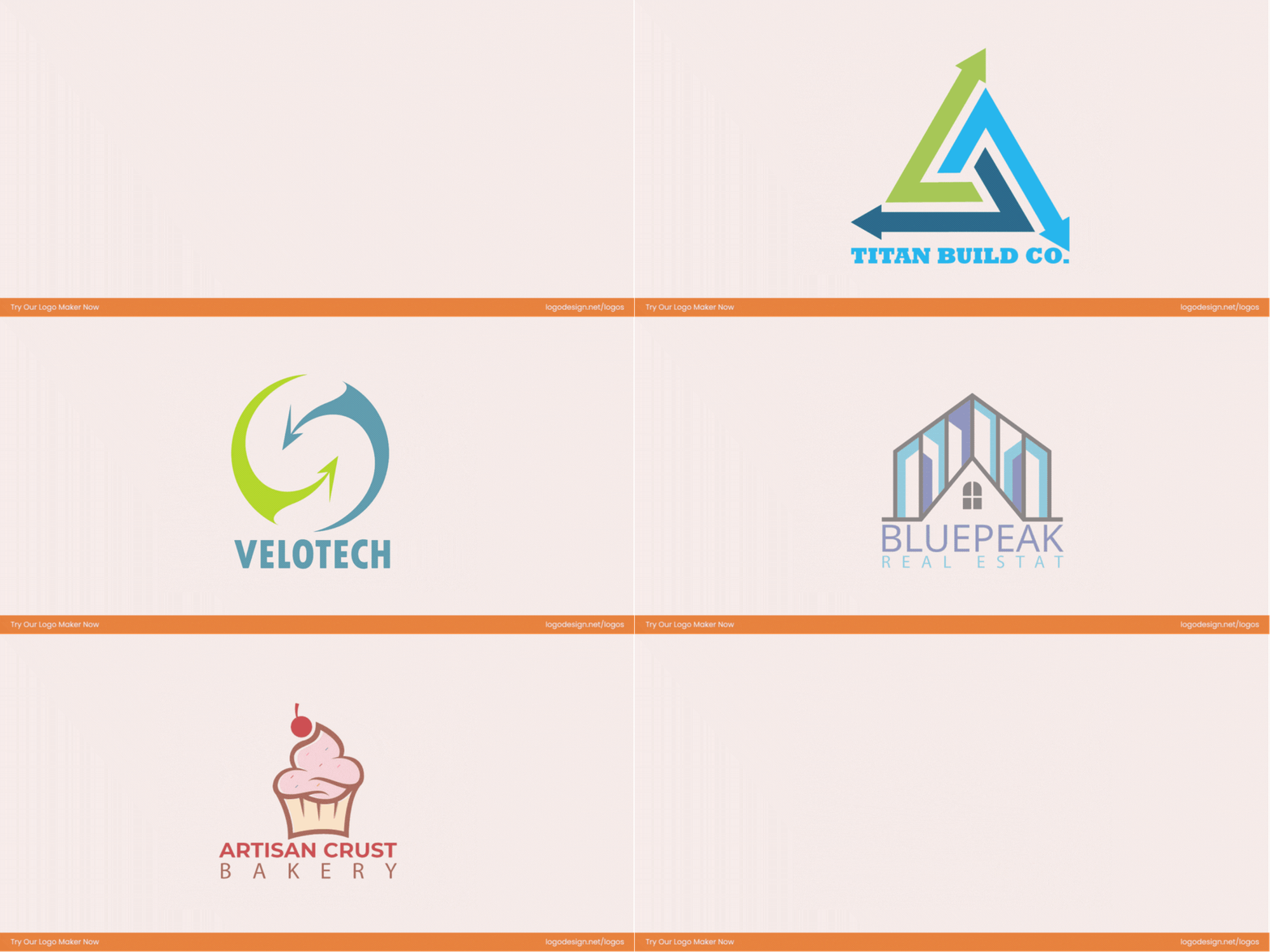
The answer is well, complicated. These tools offer speed and convenience, a powerful combination for any bootstrapped entrepreneur. Yet, they often operate within the safe, established guardrails of design templates and stock icons. The result is a logo that looks professional and clean, but might also resemble three other logos you saw last week.
This is the central dilemma we need to unpack: Are you achieving authentic brand identity or simply settling for a generic copy? This article will dive into the trade-offs, helping you decide if the path of automation is the right shortcut for your unique journey.
The Mechanics of Logo Makers: Efficiency vs. Creativity
Logo makers are undeniably clever tools. They’ve democratized design, putting the power to create a visual identity into anyone’s hands. Understanding how they work is key to appreciating their potential and their limitations.
How These Tools Work (The Quick Breakdown)
Think of a logo maker as a sophisticated digital pantry full of pre-made ingredients.
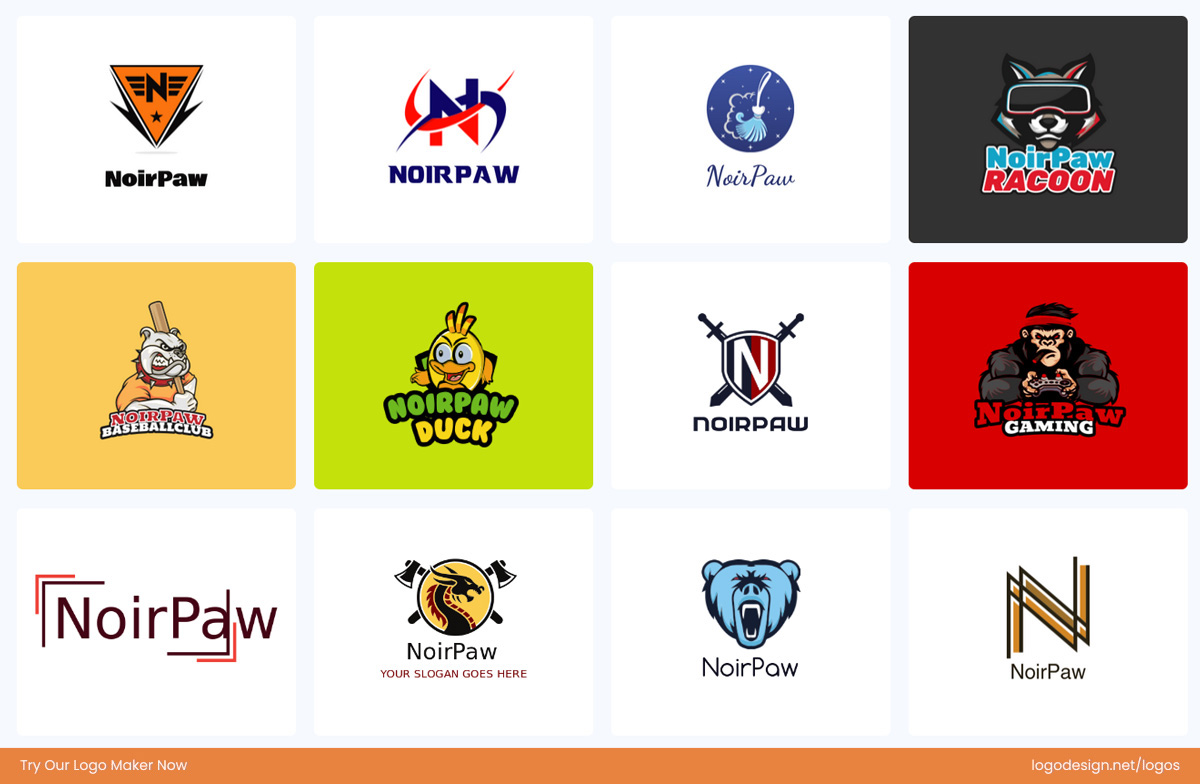
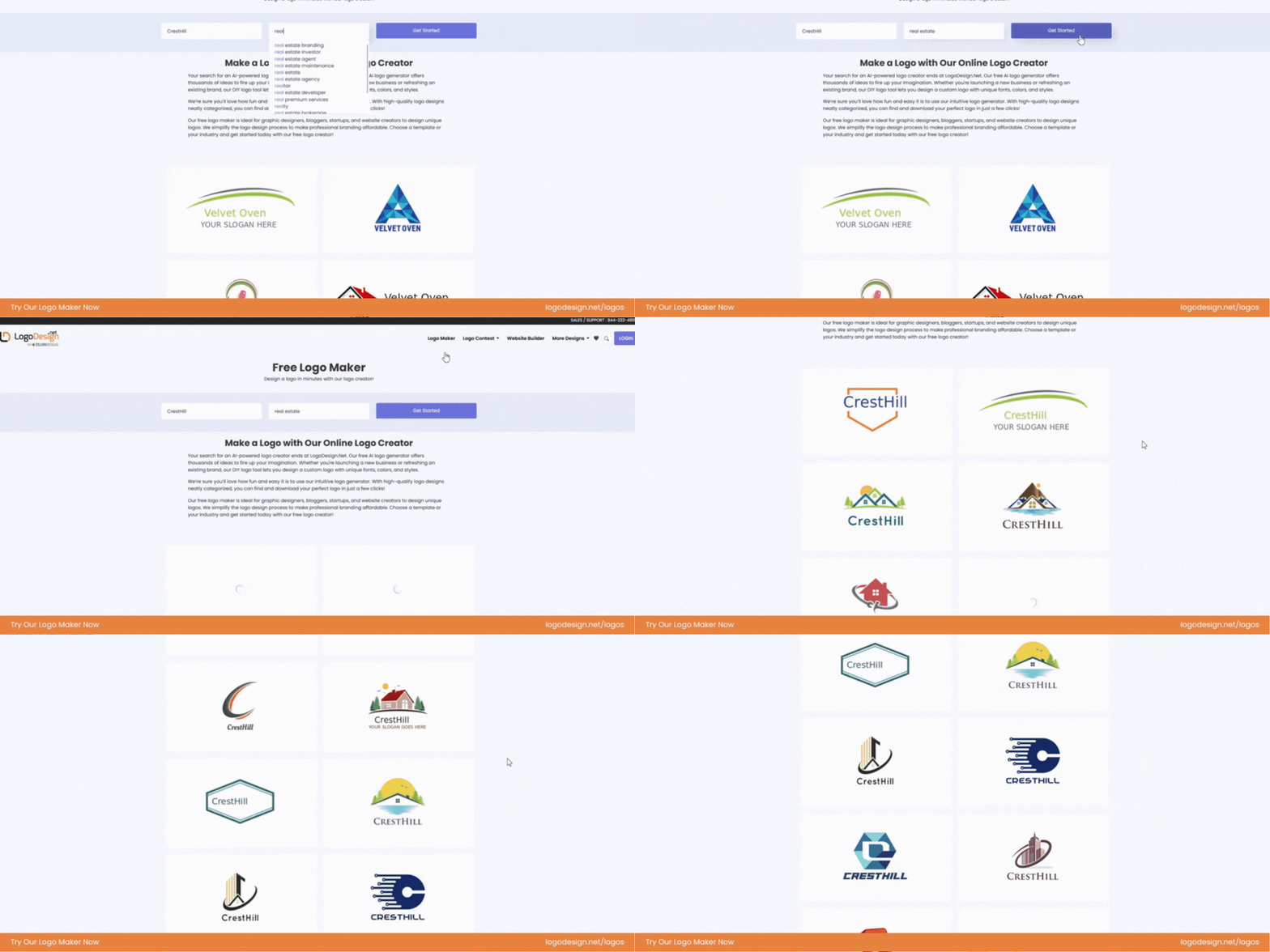
- The Template Library: The core of any logo maker is its vast library of templates, icons, fonts, and color schemes. When you type in your industry (e.g., "coffee shop"), the software pulls up designs tagged for that sector.
- AI (Artificial Intelligence) as a Sous-Chef: Some advanced tools use AI to suggest visually pleasing pairings based on established design trends or rules. The AI suggests a font that looks good with a color or certain icon, making sure the result is balanced.
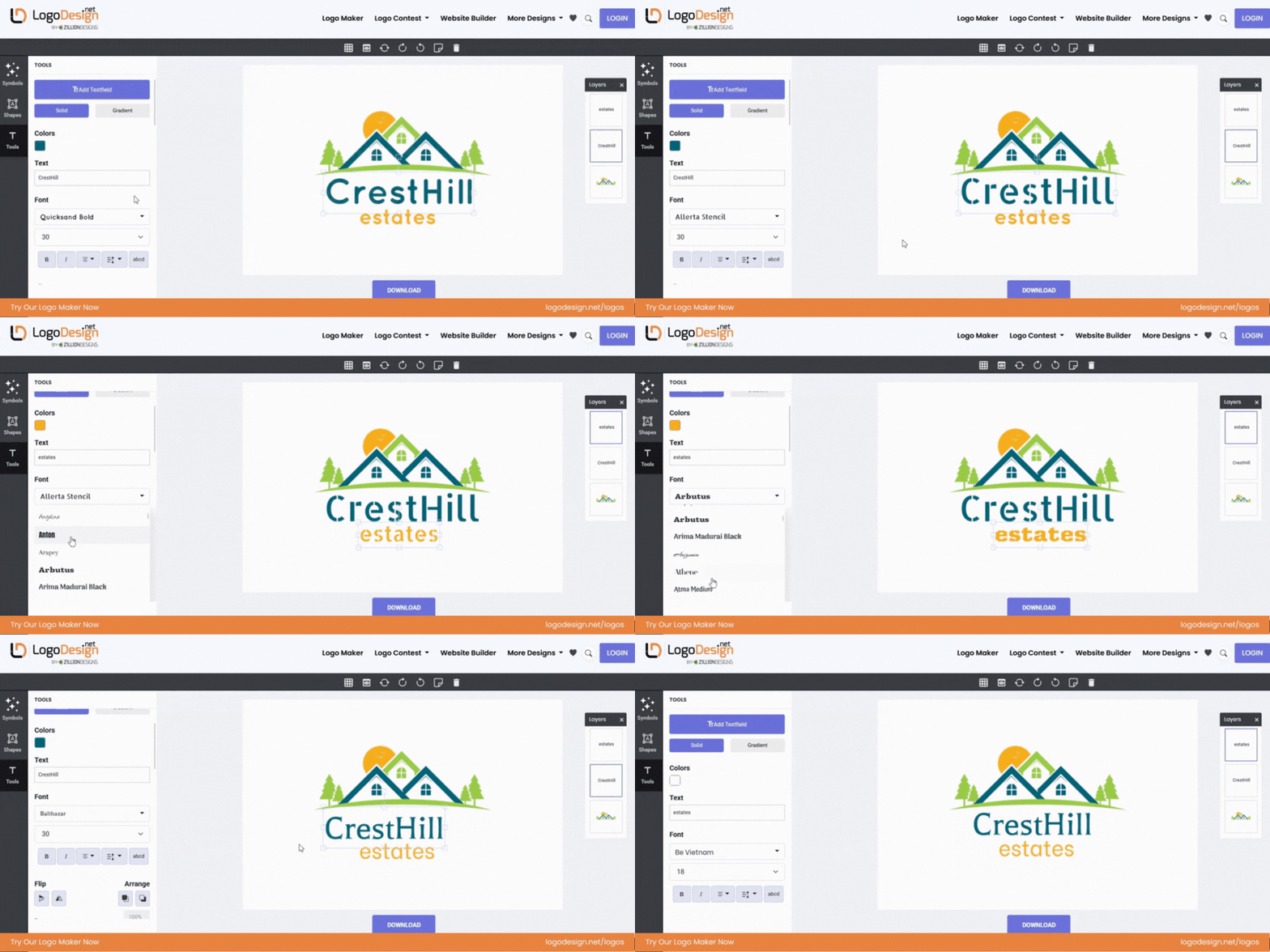
- The Assembly Line: You pick the elements you like, tweak the colors, drag the text, and voila—you have a logo ready in minutes.
The Efficiency Argument: Why We Love Them
There are plenty of reasons why a business needs a logo, and the benefits of using a logo maker like LogoDesign.Net are clear and highly appealing to new businesses.
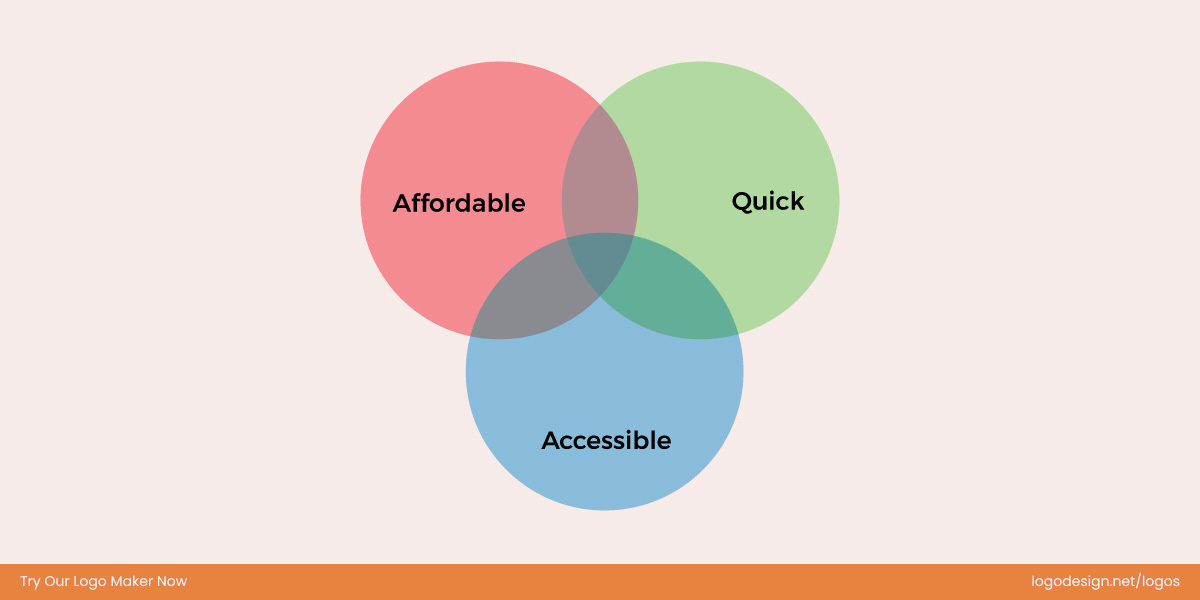
- Low Cost: These tools are often free or very inexpensive compared to hiring a human designer.
- Immediate Results: You don’t wait for revisions or feedback loops; the logo is ready when you are.
- Accessibility: You don’t need design software or a degree in art theory to use them.
The Originality Trap: Where the Magic Stops
This efficiency comes with a significant catch when it comes to being truly unique. The moment you rely on pre-existing ingredients, you run into the "originality trap."
- The "Cookie-Cutter" Problem: Because millions of people use the same libraries, the chances are high that your logo’s main elements are shared with hundreds, maybe thousands, of other businesses globally.
- Lack of Context: A logo maker can’t read your business plan. It doesn’t know the story of how you started your company in a garage, or your commitment to sourcing ethically. It only knows your keywords.
- Playing it Safe: Automated tools follow established design principles to ensure a "good" looking logo, which means they rarely take creative risks. True originality often requires a risk that an algorithm won’t take.
In essence, these tools excel at professionalism, but often fall short on uniqueness.
Defining "Originality" in Branding: The Human Touch
To understand if a machine can be original, we first need to define what originality means for a brand. It’s not just about looking different; it’s about telling a visual story that resonates with your core mission and your target audience.
Beyond Just Looking Good
A truly original logo is a strategic asset. It’s the visual handshake that communicates your values instantly. A professional human designer doesn’t just draw pictures; they act as a brand strategist.
- Market Research: Designers investigate your competition and audience, ensuring your logo stands out in your specific field.
- Storytelling: A human takes your brand narrative and translates it into symbols and colors that have meaning.
- Unique Execution: They sketch from scratch, creating a bespoke piece of art that belongs only to you.
The key distinction between AI logo makers and human designers lies in selection and creation. AI selects from existing parts; humans create something entirely new based on strategic insight.
Case Studies: The Icons of Originality
These logos are famous because they are instantly recognizable and deeply strategic. A logo maker could produce a shield or a piece of fruit, but it could never replicate the specific creativity behind these icons:
1. Apple
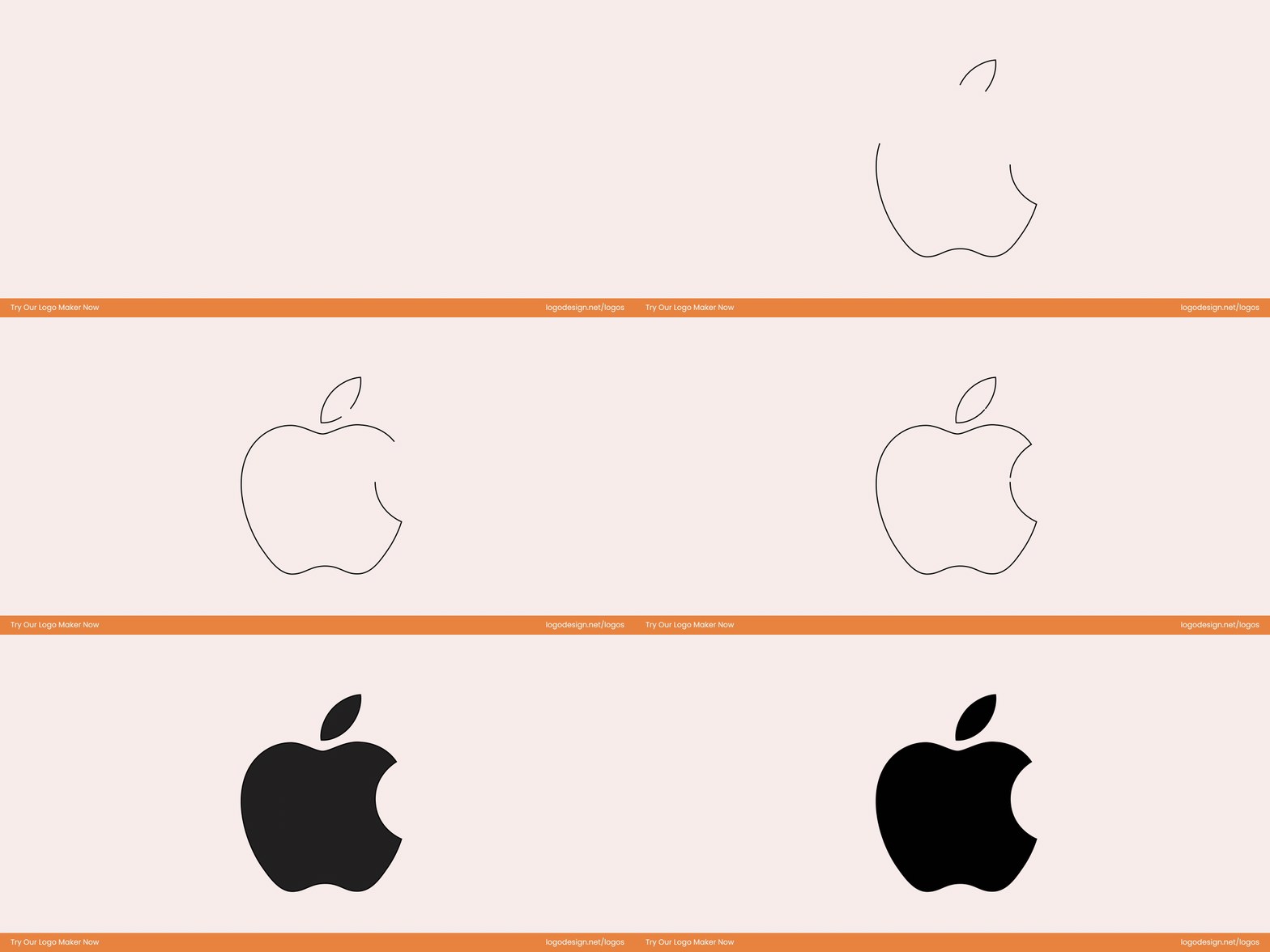
The bitten apple is a brilliant piece of simplicity in logo design. The bite mark wasn’t just a design choice; it was added so the simple shape wouldn’t be confused with a cherry. Apple’s logo is iconic because it’s simple, clean, and unique.
2. Amazon
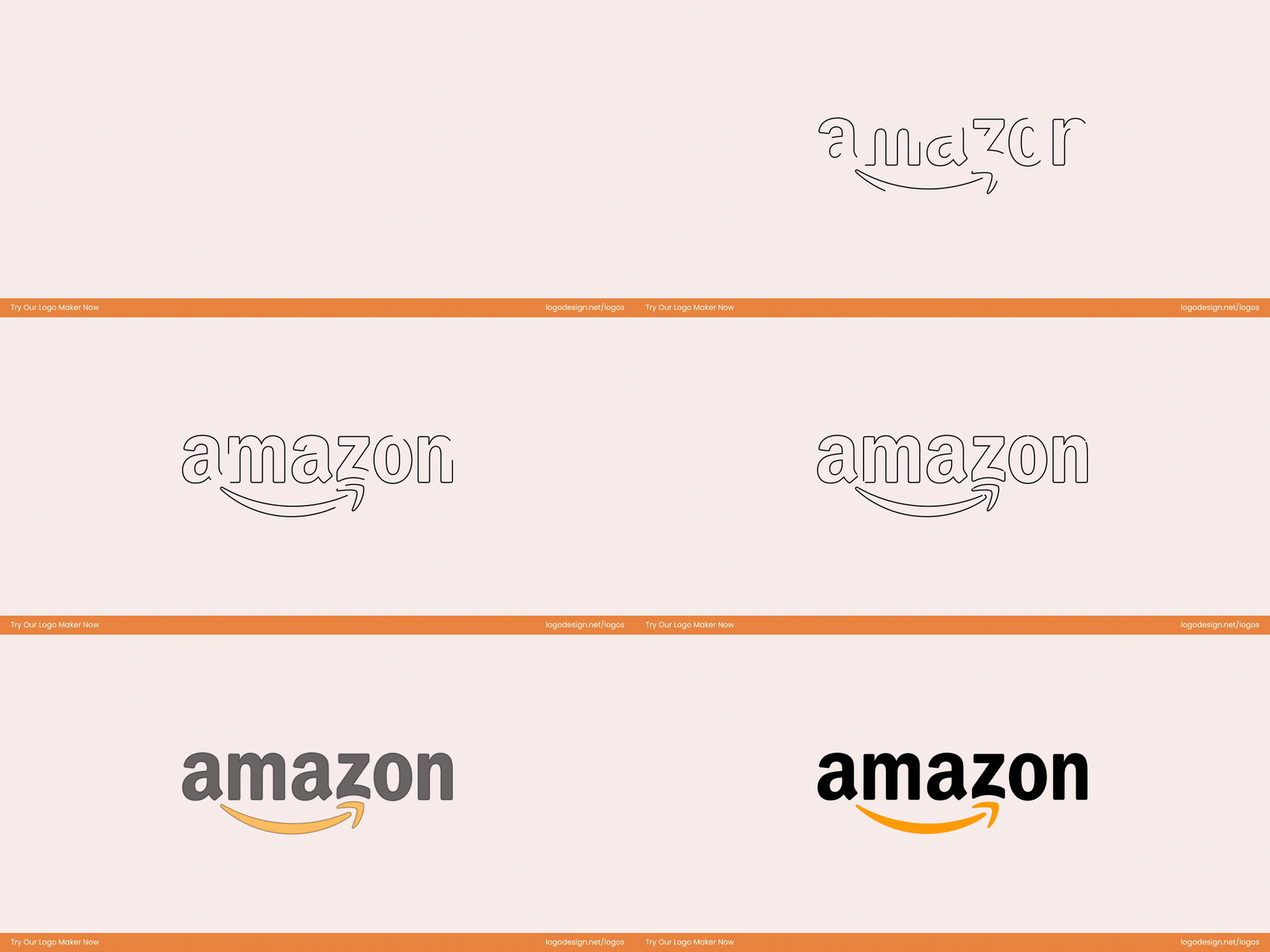
The smile that doubles as an arrow pointing from A to Z isn’t random. It clearly and cleverly communicates that Amazon sells everything from A to Z, delivering happiness (the smile) along the way.
3. Nike
The "Swoosh" was created by a student for just $35. It symbolizes motion, speed, and the wing of the Greek goddess of victory. Nike’s logo is simple, dynamic, and its meaning is entirely tied to the brand’s mission.
4. FedEx
This logo has a hidden detail: an arrow tucked neatly between the ‘E’ and the ‘x’. FedEx’s subtle element represents forward momentum, speed, and precision—precisely what you want in a delivery service.
5. Toyota
The three overlapping ovals of Toyota symbolize the unification of the hearts of customers and the company. In Japanese culture, it also cleverly resembles a steering wheel. It’s a deep, culturally relevant piece of design that a machine would struggle to replicate.
These logos didn’t come from a template; they came from human thought, strategic intent, and creative inspiration.
Legal and Practical Pitfalls: The Hidden Costs of Templates
While the speed and convenience of using a logo maker are tempting, the choice can create significant legal and practical problems down the road. These potential pitfalls often represent the "hidden costs" that entrepreneurs don’t consider when prioritizing speed over strategy. The most immediate concern is legal ownership. Because automated tools rely on shared libraries of icons and templates, it is highly probable that your design elements are being used by countless other businesses around the world. This lack of uniqueness makes it difficult, sometimes impossible, to trademark your logo.
In the United States, for example, the USPTO Trademark Search requires a design to be distinctly unique to qualify for federal protection. Without a trademark, your business is vulnerable; a competitor could use a similar logo, confusing customers and potentially even forcing you to stop using your own branding. Checking official databases like the USPTO Trademark Search or the WIPO database internationally is a crucial, often overlooked, step.
Furthermore, copyright law presents another hurdle. The US Copyright Office has made it clear that works generated purely by AI or automated systems without significant human creative input generally cannot be copyrighted. This means your logo might not be legally protected from being copied by others. Beyond the legal issues, there’s the practical problem of market impact.
A "cookie-cutter" logo that blends into the background of a crowded marketplace fails the primary job of branding: standing out. It lacks the strategic depth and originality that captures customer attention and communicates value. Ultimately, the immediate saving of a few hundred dollars on design fees could lead to far more expensive legal battles or a costly rebrand in the future when your business finally needs a truly unique, legally defensible identity.
Actionable Advice: How to Maximize Uniqueness (Even with Logo Maker Tools)
If you decide a logo maker is the right starting point for your business, you don’t have to abandon the quest for originality completely. You can reduce the risks and increase the uniqueness of your design by applying human effort and a few smart checks. Let’s see what those are.
Perform Due Diligence with Reverse Image Searches
Before you commit to a logo, you need to see if similar designs already exist in the marketplace.
- How-to: Take a high-resolution screenshot of your finalized logo icon (just the graphic part) and use a reverse image search engine like Google Images or TinEye.
- Why: This step helps you proactively identify identical or highly similar logos used by other companies, allowing you to tweak your design before it becomes a problem.
Utilize Advanced Customization Features
Don’t just use the default options the logo maker presents. The more you customize, the more unique your final output will be.
- Go Beyond the Template: Look for tools that allow you to upload your own rough sketches, manually adjust the spacing and kerning in the logo, change specific color HEX codes, and choose unique font pairings.
- Human Input is Key: The uniqueness of your final logo is directly proportional to the amount of unique human effort you put into customizing the automated output. Treat the logo maker as a basic sketching tool, not the final word.
Conduct Thorough Trademark Searches
Legal safety is as important as aesthetics. Before spending money on branding or marketing materials, ensure your logo is legally available.
- Check Official Databases: Use government resources to search for conflicting trademarks. For businesses operating in the US, the USPTO Trademark Search is essential. If you operate internationally, check the WIPO database for global conflicts.
- Consult a Professional: A trademark attorney can perform a comprehensive "knockout search" that provides legal certainty that your logo is unique and defensible.
Consider a Hybrid Approach
The best middle ground often involves combining the efficiency of the tools with the strategic thinking of a professional.
- Use the Maker for a Draft: Create a concept you like using the automated tool as a "mood board" or a rough draft.
- Hire a Designer to Refine: Take your draft to a professional graphic designer. They can use your concept as inspiration but redesign it from scratch, ensuring originality, strategic depth, and legal clarity. This provides the best of both worlds: speed of concept generation and the originality of human creation.
The Final Trade-Off
Deciding whether a logo maker can deliver genuine originality boils down to how much of yourself you put into the process. The immediate benefits of speed and affordability are clear, offering powerful tools for new business owners to quickly gain a professional presence. However, the automated systems inherently rely on existing templates, meaning the starting point for your logo is likely a shared one. The burden of achieving true uniqueness, therefore, falls squarely on the user.
The key is to make use of technology without letting it define your brand. You must be careful to customize extensively, injecting your unique vision, color choices, and layout adjustments to move away from the "cookie-cutter" look. Smart business owners use these tools as a foundation, then meticulously check for existing conflicts using various available resources.
Ultimately, a logo maker can be a highly effective tool for creating a unique brand asset, provided you apply significant human creative input and diligence.
Ready to take control of your branding journey and design a unique logo with your own personal touch? Start designing now.